

cropper
AI Ranking by AIWebForce.com
cropper
  • Home
  • Categories
    • Marketing Evolution
    • Future-Ready Business
    • Tech Horizons
    • Growth Mindset
    • 2025 Playbook
    • Wellness Amplified
    • Companies to Watch
    • Getting Started With AI Content Marketing
    • Leading Edge AI
    • Roofing Contractors
    • Making a Difference
    • Chiropractor
    • AIWebForce RSS
  • AI Training & Services
    • Three Strategies for Using AI
    • Get Your Site Featured
October 23.2025
3 Minutes Read

Why AI-Driven Innovations Must Emphasize Human Connection

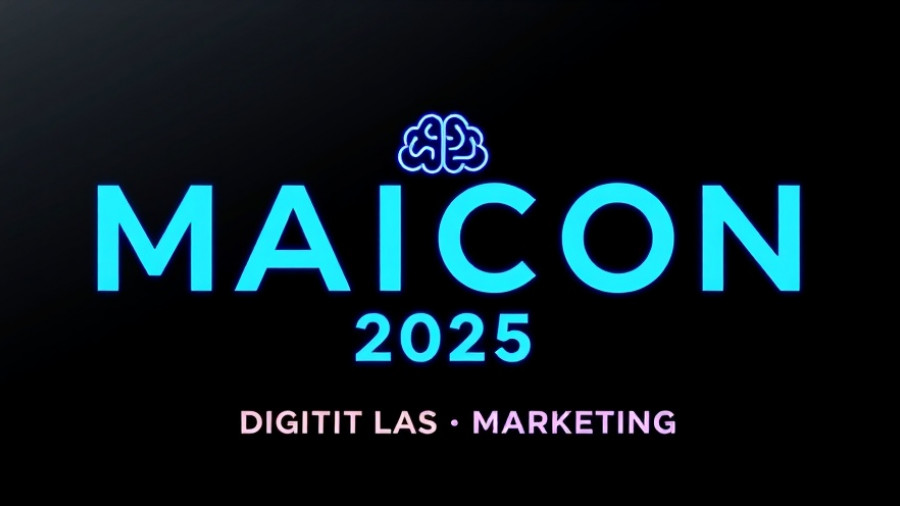
Futuristic MAICON 2025 graphic on human and AI synergy.

The Future of AI and Human Collaboration in Marketing

As the MAICON 2025 conference wrapped up, it became starkly clear that the intersection of artificial intelligence (AI) and human creativity is not only vital for the evolution of marketing but also necessary for effective business strategies across sectors. 1,500 participants attended the event in Cleveland, Ohio, where discussions revolved around harnessing AI while preserving the essence of human connection in marketing and customer experience.

Valuing Human Connections in an AI-Driven World

The event, founded by Marketing AI Institute’s CEO Paul Roetzer, emphasized a significant takeaway: in a rapidly changing landscape dominated by AI technologies, the value of genuine human connection cannot be overstated. Roetzer highlighted the palpable desire for in-person interactions, which foster community and inspire innovation. In a tech-driven world, emotional resonance and collaboration are essential to catalyzing genuine relationships that lead to robust business outcomes. This belief resonates deeply with a broader perspective shared in customer experience discussions—where AI amplifies human capabilities rather than replacing them.

Beyond Optimization: Embracing Innovation

Roetzer coined the terms “10% thinking” versus “10X thinking” during his workshop, framing the dilemma many businesses face. Companies often leverage AI for optimization—simply making existing processes faster and more efficient—creating a paradox where fewer humans may be needed. Yet, Roetzer advocates for “10X thinking,” which embodies harnessing AI to innovate and deliver new value. This paradigm shift reflects the sentiments captured in supporting sentiments from the AI and Human Connection article, where it’s highlighted that human empathy and creativity remain at the marketing core during this transformation.

Opportunities for Collaboration: The Human Plus AI Approach

AI tools are evolving impressively, promising to deliver deeper insights and efficiency in customer experiences. However, the true potential emerges from the synergy of AI-driven insights and human emotional intelligence—understanding consumer motivations and crafting messages that resonate on a personal level. This dual approach is paramount to fostering loyal relationships with customers, as highlighted by recent examinations into the impacts of AI in customer experiences. With AI taking charge of tasks such as rapid data analysis or campaign automation, human marketers can focus on crafting narratives that evoke feelings and drive engagement.

Charting the Path Forward with Balance and Strategy

The key to navigating this brave new world lies in balance and strategic implementation of AI tools. Companies are encouraged to build hybrid teams that expertly combine the analytical power of AI with human-led creativity and empathy. This will not only enhance operational efficiencies but also maximize the impact of marketing efforts. Emphasizing a culture of collaboration, organizations are advised to train their teams effectively in deploying AI technologies, ensuring they remain pivotal in crafting meaningful customer interactions.

Conclusion: Moving Together, Not Apart

As evidenced by the discussions at MAICON 2025, the future of marketing does not rest solely in adopting AI technologies; rather, it thrives through a fundamental partnership between humans and machines. As we regionally and globally transition into an era focused on enriching personal connections alongside sophisticated AI solutions, companies that prioritize community and emotional insights will lead the charge of innovation and customer loyalty.

Marketing Evolution

0 Comments

Write A Comment

*
*
Please complete the captcha to submit your comment.
Related Posts All Posts
08.20.2026

Transform Your Conference Experience: Create, Engage, and Co-Create

Update Maximizing Value at Conferences: Be More Than Just an Attendee Trade events and conferences serve as the perfect breeding ground for fresh perspectives, meaningful conversations, and innovative ideas. Yet, the sheer volume of happenings can turn an enriching experience into an overwhelming one. To truly extract value from these gatherings, particularly from events like MAICON 2026, it's crucial to go in with a strategy. Setting clear goals for what you want to learn, create, and accomplish will enable you to engage more intentionally with sessions, speakers, and your fellow attendees. The Power of Preparation: Journal Prompts To Keep You Focused One effective method for organizing your thoughts throughout the conference is to prepare journal prompts. These should be tailored to align with your objectives for the event. Consider prompts that encourage self-reflection, such as: "What POV surprised you today and why?" or "Which AI capability am I underestimating?". Regularly revisiting these throughout the day will keep your focus sharp and help you capture valuable insights. Be Your Own Correspondent: Build an Action Playbook Approaching the event as a correspondent rather than just an attendee allows you to document the moments that matter. Capture behind-the-scenes insights, in-the-moment reactions, and key takeaways. After each session, ask yourself how you can apply these insights within your own organization. For instance, if you learn about AI agents, think about specific processes that could benefit from that information. Many valuable discussions occur offstage—don’t miss them! Creative Content Creation: Share Your Unique Experience Avoid generic ‘What I Learned’ content on social media by creating something unique and engaging. For instance, share a “Day in the Life of a Marketer” from your perspective at MAICON, showing your audience the raw insights straight from the experience. Additionally, consider producing content like “Three AI tools everyone at MAICON kept talking about” to leverage your newfound knowledge. Cultivating Connections: Audio and Long-Form Content Capture Take advantage of the potential for content generation by recording interesting conversations. With permission, obtain audio from speaker interviews or insightful chats you have in the hallways. You don’t need a polished podcast setup—simple recordings can catalyze your next great idea. Also, be sure to carve out time to write long-form content—diving deeper into specific ideas or themes you uncovered can provide a signature viewpoint in a sea of similar content. Conclusion: The Conference Experience as an Ongoing Source of Inspiration The value of attending conferences like MAICON stretches far beyond the few days spent physically at the event. By preparing thoughtfully and engaging creatively, you can transform a singular experience into a wellspring of inspiration, content, and lasting professional connections. Whether you're seeking innovative marketing strategies or new applications for AI, turning events into ongoing dialogues can significantly enrich your professional journey.

08.20.2026

Are Humanoid Robots Approaching Their 'ChatGPT Moment'?: Key Insights from Unitree's Founder

Update The Dawn of the Humanoid Robot Era At the recent World Robot Conference in Beijing, Wang Xingxing, the founder of Unitree, proclaimed that humanoid robots are edging closer to their "ChatGPT moment". This term, initially coined to describe revolutionary advancements in conversational AI, now applies to embodied intelligence. Wang defined the breakthrough as a significant milestone wherein a robot enters an unfamiliar household and effectively follows voice or text instructions to complete at least 80% of tasks assigned to it. A Cautious Yet Hopeful Perspective While there is optimism regarding this technological leap, Wang tempered expectations, suggesting that the necessary software breakthroughs needed to reach this tipping point could take anywhere from two to ten years to materialize. He noted that in the first half of 2026 alone, Chinese manufacturers shipped over 40,000 humanoids, a staggering number that underscores the industry's growth. However, the commercial viability of these machines remains a concern, as most customers are still universities and research institutions rather than average consumers. The Challenge of Commercialization Wang's comments reflect broader challenges in the robotics sector, particularly the transition from prototype to practical use. Experts like Wang He of Galbot also project that by 2028, robots might manage 70% to 80% of everyday tasks without prior training, marking a significant shift in how humanoid robots could integrate into society. This convergence of estimations points to a developing consensus in the robotics field about the upcoming transformations. The Road Ahead for Robotics As Unitree leads the charge, it faces the critical task of aligning advanced hardware with equally competent software. The company’s emphasis on world models—systems that allow robots to predict environmental interactions—will determine whether they can achieve the ambitious 80% task completion level. For now, the challenge remains, and industry insiders are watching closely to see if the future holds true to these predictions.

08.20.2026

Mark Zuckerberg’s Culture: The Root of Meta’s Safety Challenges Revealed

Update Meta’s Culture Under Scrutiny in Oakland CourtIn a landmark trial unfolding in Oakland, California, former Meta employee Arturo Béjar testified that the company’s internal culture, shaped by CEO Mark Zuckerberg, severely hampered efforts to address safety issues, particularly related to young users. Béjar, who dedicated nearly a decade at Meta to safety innovations, painted a sobering picture of a corporate environment that prioritized user engagement metrics over well-being.As the first witness in a case spearheaded by four state attorneys general, Béjar's revelations come at a critical juncture. The lawsuit alleges that platforms like Facebook and Instagram exploit minors through design elements meant to maximize user engagement—essentially hooking users while harvesting their data. The core of the attorneys' argument? Meta's business model, which emphasizes user retention through features like infinite scrolling and autoplay videos, inherently jeopardizes youth mental health.Dissecting the Design DownfallBéjar’s testimony highlighted Meta's choices when implementing safety features. Instead of making protective measures default settings, the company left them as optional, which ultimately resulted in minimal usage by affected users. His assertion echoed a broader sentiment that if the company’s commitment to user safety were genuine, design defaults would have reflected that priority.This trial differentiates itself significantly because it is prosecuted by states under consumer protection statutes, allowing for broader interpretations of harm. California Attorney General Rob Bonta pointed out a staggering potential financial liability, which has raised eyebrows; estimates around $200 billion have been floated.The Bigger Picture: Corporate Accountability and Youth ProtectionThe Oakland case serves as a poignant reminder of the regulatory pressures facing tech giants in an age where user safety concerns are escalating. As competitors like TikTok face their scrutiny, Meta's legal battles may signal a shift in how tech companies are held accountable. The weight of Béjar's testimony might just be the catalyst for systemic changes in design strategies aimed at protecting vulnerable users.Potential Outcomes and Future ImplicationsThis trial not only assesses Meta’s past actions but also scrutinizes the ethics of social media design. A ruling against Meta could open the floodgates for similar lawsuits, changing the landscape of tech regulation fundamentally. For parents and policymakers, the implications are extensive—raising questions about how companies must adapt product designs to prioritize safety over engagement.As this case develops, all eyes will be on the jury's decision and the potential precedent it sets for tech innovations aimed at improving user safety and ethical accountability.

New Wave Rocket - An AiWebForce.com Project

AiWebForce.com - part of ElectricStoreFront.com

Darold Turock

610 740 4605

Terms of Service

Privacy Policy

Core Modal Title

Sorry, no results found

You Might Find These Articles Interesting

T
Please Check Your Email
We Will Be Following Up Shortly
*
*
*