

cropper
AI Ranking by AIWebForce.com
cropper
  • Home
  • Categories
    • Marketing Evolution
    • Future-Ready Business
    • Tech Horizons
    • Growth Mindset
    • 2025 Playbook
    • Wellness Amplified
    • Companies to Watch
    • Getting Started With AI Content Marketing
    • Leading Edge AI
    • Roofing Contractors
    • Making a Difference
    • Chiropractor
    • AIWebForce RSS
  • AI Training & Services
    • Three Strategies for Using AI
    • Get Your Site Featured
June 11.2025
2 Minutes Read

Why 2025 Will Have the Fewest New Car Models: The Inside Scoop

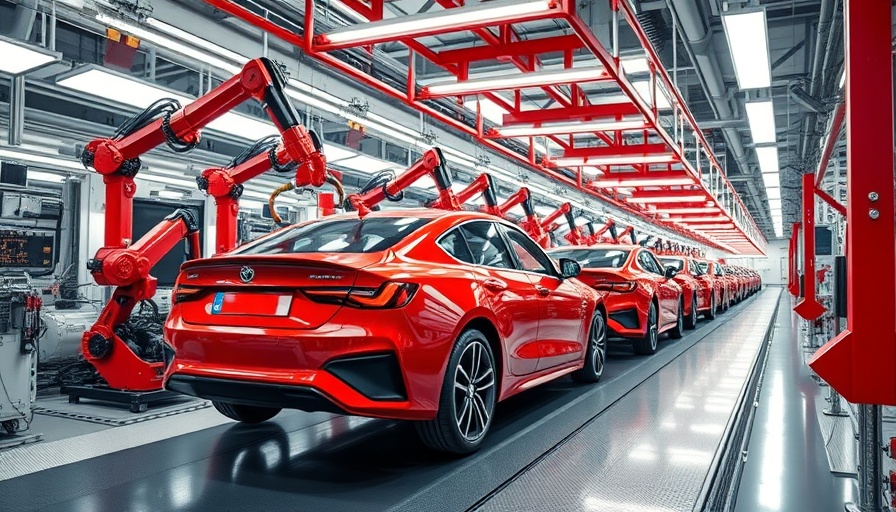
Fewer new car models in 2025: automated car production line.

Why 2025 Will Have the Fewest New Car Models Yet

As car enthusiasts and everyday consumers gear up for the 2025 automotive season, the excitement around new car models is met with an unexpected twist: a notable decline in the number of new releases. According to the Bank of America's annual "Car Wars" report, the automotive industry anticipates launching only 159 new models over the next four years, a stark decrease from the 200 car models available last year. With only 29 of these slated for release this year, we are entering uncharted territory in vehicle availability.

The Electric Vehicle Conundrum

The significant drop in new car models, particularly in the electric vehicle (EV) sector, sparks concern and curiosity. Industry expert, John Murphy, cites slowing EV adoption rates, tariffs, and regulatory hurdles as key factors driving this trend. The state of California's recent legislation mandating that all new light-duty vehicles must be Zero Emission Vehicles (ZEVs) by 2035 illustrates the pressures facing automakers. As they navigate these changing regulations, many companies are reverting to their traditional vehicle strengths, creating a ripple effect in model variety.

Industry Response: Navigating Political and Economic Waters

The potential legal battle surrounding California's ZEV mandate adds another layer of uncertainty. The Trump administration has taken a stand against this legislation, putting the future of EV models in jeopardy. This reflects a broader trend where automakers are hesitant to invest in new technologies until the political landscape stabilizes. With concerns about material costs and production logistics looming, the industry's pivot back to established fuel types seems like a strategic retreat.

Trends to Watch in the Automotive Industry

Despite the uncertainty, this shift presents a unique opportunity for manufacturers to refine their offerings. The prevailing sentiment among dealers is to tap into lost service revenue through improved connectivity solutions. As the automotive landscape shifts, focusing on customer relationships and long-term service might become increasingly pivotal.

What's Next? A Future in Flux

Looking ahead, it's vital for consumers to keep a close eye on how these developments shape the automotive market. Expect changes in both production strategies and consumer preferences as the industry adapts to regulatory shifts and economic pressures. The lack of new models in 2025 could lead to a more significant conversation about sustainability and how vehicles fit into our lives long-term.

Conclusion

As we anticipate 2025, it’s clear the automotive market is at a crossroads, balancing innovation with regulatory compliance. While fewer new car models may be disappointing for some, it’s an essential moment for reflection on what we value in our vehicles. Make sure to stay informed about these evolving trends, as they could shape your next car purchase!

Home Now and Future

0 Comments

Write A Comment

*
*
Please complete the captcha to submit your comment.
Related Posts All Posts
08.21.2026

Why Your House is Cracking: Understanding When to Worry and When to Relax

Update Understanding Cracking Sounds in Your Home When the summer sun shines brightly, many homeowners might notice peculiar cracking sounds echoing through their residences. It's easy to dismiss these as harmless background noises; however, the causes can range from benign to serious. Understanding these sounds is essential in maintaining a safe living environment. Temperature Changes: The Hidden Culprit The dynamics of temperature play a significant role in the noises emitted by your home. Materials used in construction, such as wood, steel, and glass, expand with heat and contract during colder weather. This thermal behavior can create a symphony of sounds as different materials act against each other. For example, if the temperature spikes during the day, wooden beams may expand, and as night falls, they retract, leading to those distinct pops and creaks. Why Your Attic Could Be Making Noise Your attic is often the origin of many house sounds, especially during the fluctuating conditions of summer. In poorly insulated attics, temperatures can soar, sometimes even reaching up to 160 degrees. As the heat dissipates when the sun sets, rapid thermal contraction occurs, resulting in creaking sounds. You might also notice that when winds howl, they can uplift the roof, causing rafters to squeak and groan against their fasteners. While these sounds might be unsettling, they're typically nothing to worry about unless extreme conditions arise. Foundation Stability: A Key Concern One of the more concerning reasons for cracking noises could be related to the stability of your home's foundation. Soil shifts due to moisture levels, seasonal changes, and natural organic processes can create problems, undermining the foundation and leading to significant cracking sounds. If these noises become loud or consistent, or if visible cracks appear in your interior walls, it's advisable to consult with a foundation expert. Doors and Windows: Indicators of Problems If you hear cracking sounds, it's worthwhile to observe any changes in your doors and windows. Do they close properly? A door that randomly swings or a window that hesitates when opened may indicate an issue with the house's structure. This could further confirm that your foundation is settling or shifting, aligning with the sounds you hear. The Role of Plumbing: Unexpected Sources of Noise Lastly, don’t overlook the pipes within your walls. Hot water traveling through copper pipes can result in cracking noises. As water is heated, the pipes expand, and as they cool, they contract, often generating sounds that might initially be mistaken for structural issues. In conclusion, while summertime cracks are often harmless, diligent homeowners should be observant. By understanding the causes of these sounds, you can identify potential issues before they escalate into serious problems.

08.21.2026

How to Avoid Mistakes and Be a Good Neighbor for a Happier Community

Update The Importance of Good Neighbor Relations In our neighborhoods, the relationships we forge can significantly influence our quality of life. Mr. Rogers famously said, "It's a beautiful day in the neighborhood," highlighting the profound impact of feeling connected to those around us. Good neighbor relations can lead to better home security, a supportive community, and a more vibrant environment. When we engage positively with our neighbors, we create a web of trust and support that enhances our collective well-being. Avoiding Common Pitfalls of Neighborly Etiquette While it may seem easy to be a good neighbor, several pitfalls can lead to conflicts. Here are some common mistakes to avoid: 1. Neglecting Your Property How your property is maintained reflects not only on you but also on your neighbors. Overgrown lawns or dilapidated fences can affect property values, making it essential to commit time and resources to upkeep. Whether you're a homeowner or a renter, communicating with your landlord about necessary repairs can help keep the neighborhood aesthetically pleasing. 2. Managing Yard Waste Responsibly During yard work, it's vital to keep grass clippings, leaves, and snow on your property. Blowing or shoveling debris onto your neighbor's yard can create friction and may even violate local laws. Instead, aim for a clean and considerate workspace that respects the shared environment. 3. Mindfulness While Enjoying Gatherings Hosting gatherings is part of living in a community, but frequency and noise levels matter. Many neighborhoods have unwritten rules about when parties should wrap up. Planning social events that respect your neighbors' peace shows consideration and fosters goodwill. 4. Being Cautious with Open Flames Burning garden refuse is permitted in many regions, but add toxic materials like plastics, or unfamiliar items, to the mix, and you invite concern. Not only is this dangerous, but it can also aggravate your neighbors, as harmful fumes can affect their health. Always adhere to burning regulations and communicate with your neighbors before igniting a fire. Cultivating a Sense of Community Above all, the goal should be to cultivate a sense of community. Small acts of kindness, such as sharing excess produce from your garden or offering help before a weather emergency, can go a long way in enhancing relationships. A friendly wave or a conversation can create bonds that enhance the security and satisfaction of the neighborhood. Conclusion: The Ripple Effects of Neighborly Relationships Being a good neighbor isn't just about avoiding the negative—it's about building connections that enrich our lives. Active participation in a neighborhood exchange of support fosters a safer and more harmonious living space. Remember, every step you take toward being a better neighbor can contribute to a more vibrant, tightly-knit community.

08.21.2026

Bathroom Fan Usage: Optimize Ventilation for a Healthier Home

Update Are You Leaving Moisture Trapped in Your Bathroom? Many homeowners may incorrectly assume that turning off the bathroom fan immediately after a shower will suffice. However, the reality is that moisture lingers in the air long after you’ve stopped running the water. Ignoring the role of your bathroom fan can lead to detrimental effects on your home's air quality and structure. Not only can excess moisture foster mold, but it can also damage your bathroom surfaces and lead to costly repairs. How Long Should Your Bathroom Fan Run? Experts from the Environmental Protection Agency (EPA) recommend you let the fan run for at least 15 minutes after finishing your shower. This extra time is crucial for pushing humid air outdoors, effectively combating condensation on mirrors, walls, and windows. Depending on the moisture content of your shower, you might even need to run the fan longer. If the mirror remains fogged or the walls persistently feel damp, it’s a clear sign that your fan isn’t adequately venting the humidity outside. Understanding the Importance of Post-Shower Ventilation Post-shower ventilation goes beyond comfort; it’s crucial for health and safety. Humidity promotes mold growth, which can be hazardous to your health and that of your family. According to the Centers for Disease Control and Prevention (CDC), using an exhaust fan that vents outdoors is essential. Without proper ventilation, moisture can accumulate, creating an ideal environment for mold to thrive. This is particularly concerning if you have young children or individuals with respiratory conditions in your household. Consider Modern Solutions If you often forget to turn off the fan or struggle with ventilation issues, consider investing in a timer switch or a humidity-sensing fan. These options make it easier to ensure that the bathroom stays well-ventilated even if you’re distracted by other activities. Not only will these devices enhance comfort, but they’ll also contribute to the overall health of your home. Get Ahead of Potential Problems Maintaining proper ventilation in your bathroom shouldn’t be taken lightly. An undersized or damaged exhaust fan can lead to compounded issues over time, potentially marking a path towards expensive repairs. Regularly inspecting and cleaning your fan ensures it operates efficiently, mitigating the risks of excess moisture in your home. Embrace a Healthier Home Environment By putting the right practices into place, you’ll not only protect your home from moisture damage, but you’ll also create a healthier space for you and your loved ones. Make a habit of running that bathroom fan for sufficient time after each shower!

New Wave Rocket - An AiWebForce.com Project

AiWebForce.com - part of ElectricStoreFront.com

Darold Turock

610 740 4605

Terms of Service

Privacy Policy

Core Modal Title

Sorry, no results found

You Might Find These Articles Interesting

T
Please Check Your Email
We Will Be Following Up Shortly
*
*
*