

cropper
AI Ranking by AIWebForce.com
cropper
  • Home
  • Categories
    • Marketing Evolution
    • Future-Ready Business
    • Tech Horizons
    • Growth Mindset
    • 2025 Playbook
    • Wellness Amplified
    • Companies to Watch
    • Getting Started With AI Content Marketing
    • Leading Edge AI
    • Roofing Contractors
    • Making a Difference
    • Chiropractor
    • AIWebForce RSS
  • AI Training & Services
    • Three Strategies for Using AI
    • Get Your Site Featured
May 08.2025
3 Minutes Read

Volkswagen Seatbelt Recall: Protecting Passengers Amid Size Issues

Volkswagen cars in lot with product recall notice.

Spotlight on the Volkswagen Seatbelt Recall: What You Need to Know

In a surprising twist in automotive safety, Volkswagen has announced a recall affecting nearly 6,000 of its new 2025 ID. BUZZ vehicles due to a concerning issue with seat belt compliance. As seat belt laws have been established for decades, it's alarming to see a major manufacturer face scrutiny over this detail. The National Highway Traffic Safety Administration (NHTSA) has highlighted that the third-row seating in these vehicles is wider than what the design allows for, creating a potential hazard for backseat passengers in the event of an accident.

Unpacking the Recall: The Issue at Hand

The crux of the problem lies in the configuration of the rear bench seat. While the vehicle is spacious enough to accommodate three passengers, it is only equipped with two seat belts, which violates Federal Motor Vehicle Safety Standard number 208. According to the NHTSA, this design flaw presents a safety risk: if more than two passengers sit in the rear seat, the lack of enough seat belts could lead to increased risk of injury during collisions. The clear message is that safety regulations are in place for a reason—it’s not just about fitting passengers comfortably; it’s about ensuring their protection in high-stakes situations.

The Implications of Non-Compliance

This recall is particularly important as it sheds light on larger issues within vehicle safety and compliance. With automobile manufacturers constantly innovating, it’s crucial that they do not overlook basic safety standards. The implications of failing to comply with these regulations not only affect consumer trust but can also lead to significant legal repercussions. As individuals who rely on our vehicles for daily transportation, knowing that they comply with safety standards is essential for peace of mind.

What Affected Owners Should Do

Volkswagen owners affected by this recall can expect letters by late June 2025 detailing steps to remedy the issue. For those who own one of the 2025 ID. BUZZ vehicles, it’s essential to act promptly. The dealership will provide adjustments to the rear seating configuration at no cost; however, in the meantime, it’s advised to limit backseat occupancy to two passengers. If you have questions or require further assistance, contacting Volkswagen customer service at 1-800-893-5298 or the NHTSA Vehicle Safety Hotline at 1-888-327-4236 can provide clarity on the situation.

Why This Matters for Consumers and the Automotive Industry

This incident highlights the critical importance of customer awareness regarding automobile recalls and the safety measures attached to them. Consumers should arm themselves with knowledge not only about their vehicles but also about the regulatory standards that govern them. Awareness can empower car owners to take action if they find potential issues and also inform their purchasing decisions in the future.

Takeaways from the Volkswagen Recall

As we look ahead, consumers must remain vigilant and informed about the products they purchase. The Volkswagen recall serves as a reminder of how essential it is for automotive companies to prioritize safety in design and compliance. It’s a clarion call for all manufacturers to evaluate their production rigorously, ensuring they don’t just meet market demand but also adhere to safety protocols that protect lives.


Home Now and Future

0 Comments

Write A Comment

*
*
Please complete the captcha to submit your comment.
Related Posts All Posts
10.22.2026

Enjoy Bonfire Season Safely: Essential Dos and Don’ts

Update Bonfire Season: A Time for Fun and Safety As the nights grow longer and the weather cools down, many of us are excited to gather around the fire for some warmth and connection with friends and family. Bonfire season is a cherished tradition in many communities, but it’s crucial to keep safety at the forefront of these outdoor celebrations. This article outlines the fundamental dos and don’ts to enjoy a bonfire safely. Do: Know the Regulations Before lighting that first match, the most important step is to ensure that your bonfire is legal in your area. Contact your local fire department to inquire about necessary permits, distance regulations from structures, size restrictions, and whether brush burning is allowed. A quick phone call can save you from fines or worse, serious accidents. Eugene Klimaszewski, a fire and home safety expert, emphasizes that planning is crucial: “One call to the fire marshal’s office takes two minutes. Otherwise, you risk penalties that could be avoided with just a bit of knowledge.” Keeping informed means not only following regulations but also safeguarding your community. Don’t: Ignore Weather Conditions Weather plays a significant role in fire safety. Before you light your bonfire, check for strong winds or dry conditions that could quickly escalate a small flame into a dangerous situation. The National Interagency Fire Center suggests postponing bonfire events during periods of high fire danger or dry seasons. Being aware of the surroundings can prevent potentially disastrous outcomes. Fires can spread rapidly under certain conditions, so adjusting your plans according to weather forecasts can keep everyone safe. Do: Have a Safety Plan in Place Another critical aspect of bonfire safety is having a clear safety plan. This includes ensuring that you have a bucket of water or a garden hose ready to extinguish the fire quickly if necessary. Define a safe perimeter around the fire where children and pets are kept at a distance. Discuss safety rules with your guests so that everyone understands how to enjoy the bonfire responsibly. By proactively establishing such measures, you’ll create a friendly atmosphere that’s focused on fun without compromising safety. List roles for your friends or family as part of this plan, assigning tasks like managing the fire, monitoring kids, and keeping drinks filled! Don’t: Leave the Bonfire Unattended It might be tempting to step away to refill drinks or grab more snacks, but leaving a bonfire unattended can be quite hazardous. Fires can flare up unexpectedly and should always be monitored. Make sure someone is always keeping an eye on the flames while enjoying the evening. In case of emergencies, having someone present can mean the difference between a contained bonfire and a large uncontrollable blaze. Prioritize safety in these relaxed settings. Do: Know When to Put It Out As the night winds down and it’s time to head inside, ensure that you don’t just leave the fire to burn out on its own. Completely extinguishing the fire is essential. Pour water on the embers and stir them around to ensure thorough cooling. Use your hand to feel for heat, ensuring everything is safe before you leave. Doing this not only protects your property but also the surrounding environment from potential risk. Aside from being a best practice, it is your responsibility as a bonfire host. Conclusion: Enjoying Bonfire Season Responsibly Bonfire gatherings can foster connection and create joyful memories. However, prioritizing safety cannot be overstated. By following these dos and don’ts, you can ensure your bonfire season is both enjoyable and responsible. As cooler nights approach, let's celebrate the season while keeping safety front and center. Remember, a few precautions can make a world of difference!

10.22.2026

Why Rental Income from ADUs Can Transform Your Single-Family Home

Update The Hidden Costs of the Single-Family Home Dream The pursuit of homeownership often comes with preconceived notions about what success looks like. For many, owning a single-family home is a marker of achievement. However, beneath this illusion lies a reality that can be disappointing. After years of renting out a two-family home, my wife and I finally took the plunge into single-family living. Yet, instead of the relief and joy we anticipated, we found ourselves longing for the rental income that once supported our lifestyle. In understanding my experience, many prospective homeowners may realize that the lure of single-family homes can blind them to the financial benefits that multi-family properties provide. Why Two-Family Homes Offer Financial Freedom When my wife and I transitioned from renting to homeownership, we opted for a two-family residence as a compromise between financial stability and our dreams. The ability to rent out a portion of our home not only alleviated financial strain but allowed us to build equity more rapidly. In fact, research indicates that rental income can cover up to 30% of mortgage expenses. This feeling of financial freedom, coupled with the satisfaction of being landlords, made our two-family home seem like a financial stepping stone rather than a burden. Moving into a single-family property stripped us of that income, leaving us feeling financially vulnerable. The Allure of the Single-Family Home: A Diminished Return As dreams shift, so do realities. Moving into a single-family fixer-upper felt like an upgrade—new schools, neighbors, and space. Yet, the financial weight began to bear down heavily as expenses piled up without the offset of rental revenue. It quickly became apparent that a property purely for personal use can feel like a financial drain rather than an investment. Encouragingly, new laws in Massachusetts aim to rectify this, offering creative solutions for homeowners who find themselves in similar predicaments. Innovation Through Accessory Dwelling Units (ADUs) In an effort to address housing shortages and inspire creativity in property use, Massachusetts enacted a law to simplify the process of creating accessory dwelling units (ADUs). These small, self-contained living quarters enhance a home’s potential and can lead to comparable benefits previously enjoyed through multi-family properties. My wife and I seized the opportunity presented by the new legal framework and embarked on the journey of converting part of our existing home into a one-bedroom apartment. The process was straightforward, and the results have been rewarding—providing us with consistent rental income and excellent tenants. Should You Consider Adding an ADU? If you've found yourself in a similar situation contemplating whether to convert your living space, consider these factors: Understand local regulations to ensure compliance, conduct a cost-benefit analysis to assess feasibility, and gauge your community’s rental market to make informed decisions. The Financial and Emotional Benefits of ADUs Since adding our ADU, life has transformed. Not only have we mitigated our financial burdens, but we’ve crafted an environment that fosters community. The joy of nurturing relationships with our tenants revitalizes our home, negating the isolation often associated with single-family living. Additionally, research suggests that homeowners with ADUs report increased satisfaction and stability, reminding us that home isn’t solely about ownership but about community and resources shared. Take Action on your Home Journey! For those considering the switch from single-family to multi-family living—or enhancing existing spaces—know that options exist! Explore local laws regarding ADUs, calculate potential rental income, and don’t hesitate to reach out to professionals who can guide you through the process. The joys of homeownership can indeed coexist with the perks of rental income. Seize the opportunity to enrich both your finances and your living space.

10.22.2026

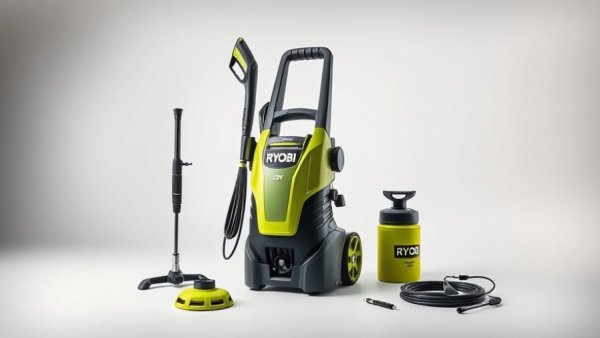
Ryobi’s $129 Pressure Washer Tested: Is It Worth the Hype for Home Cleaning?

Update The Rise of Portable Pressure Washing Tools As the seasons change and fall approaches, many homeowners are faced with the task of cleaning outdoor spaces. A pressure washer can be a valuable tool in this endeavor, allowing for effective removal of dirt and grime. However, traditional pressure washers can be cumbersome and require substantial setup time, making portable alternatives a compelling option. Ryobi’s latest product, the One Plus Electric Power Cleaner, promises a blend of convenience and performance in a compact design. A Deeper First Look at the Ryobi Tool At first glance, the Ryobi pressure washer defies the common perception of a portable tool being flimsy. It offers a sturdy feel and a quick assembly process, highlighting its user-centric design. Unlike standard full-sized pressure washers, which typically require extensive preparation and a dedicated storage area, this model can be easily set up at a moment’s notice, making it particularly appealing to busy homeowners looking for an efficient cleaning solution. Testing the Cleaning Power: Is It Enough? The real test of any pressure washer is its cleaning ability. For this evaluation, a typical fall cleaning task was chosen: washing down screens. After applying flour to simulate dirt, the Ryobi was put through its paces. Despite initial hesitations about its 700 PSI power, the washer proved effective, especially when utilizing the turbo nozzle feature. The gentle wash it delivered meant less risk of damaging delicate surfaces, which is a common concern with high-pressure models. Understanding the Trade-Offs: Power vs. Portability While the Ryobi One Plus model cannot replace the raw power of a full-sized pressure washer, it certainly excels in specific scenarios where gentler washing is required. For tasks like removing dust or light debris from screens and patios, this tool is a considerable upgrade from a simple garden hose. It offers both convenience and safety, making it ideal for those who may lack the experience or need for heavy-duty cleaning appliances. The Verdict: Who Should Choose Ryobi’s Pressure Washer? This portable pressure washer has its niche. For homeowners with standard light-to-moderate cleaning needs or those concerned about using high PSI levels, it’s a practical and effective option. On the other hand, if your cleaning tasks involve hefty build-up or require robust performance, investing in a more powerful traditional pressure washer would be beneficial. Ultimately, while Ryobi’s cleaner isn’t the end-all solution for every cleaning need, it strikes a balance between efficiency and usability. It reflects a growing trend where convenience in home maintenance tools is becoming increasingly important for many consumers.

New Wave Rocket - An AiWebForce.com Project

AiWebForce.com - part of ElectricStoreFront.com

Darold Turock

610 740 4605

Terms of Service

Privacy Policy

Core Modal Title

Sorry, no results found

You Might Find These Articles Interesting

T
Please Check Your Email
We Will Be Following Up Shortly
*
*
*