

Add Row
Add Element
cropper
update
AI Ranking by AIWebForce.com
cropper
update
Add Element
  • Home
  • Categories
    • Marketing Evolution
    • Future-Ready Business
    • Tech Horizons
    • Growth Mindset
    • 2025 Playbook
    • Wellness Amplified
    • Companies to Watch
    • Getting Started With AI Content Marketing
    • Leading Edge AI
    • Roofing Contractors
    • Making a Difference
    • Chiropractor
    • AIWebForce RSS
  • AI Training & Services
    • Three Strategies for Using AI
    • Get Your Site Featured
June 17.2025
3 Minutes Read

Sustainable Ways to Keep Your Home Cool Without High Costs

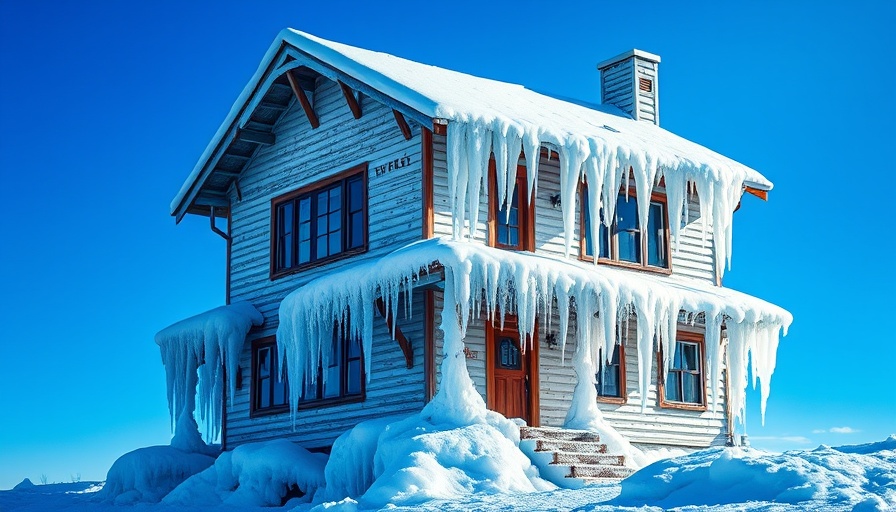
Frozen house representing effective cooling your home without breaking the bank.

Beat the Heat: Sustainable Ways to Cool Your Home

As summers heat up each year, keeping your home cool can feel like a daunting task, especially as energy costs continue to rise. Data shows that the Urban Health Collaborative at Drexel University has confirmed that summers are indeed getting hotter. For those relying solely on air conditioning, the financial burden can be overwhelming. However, there are effective strategies to maintain a comfortable home climate without breaking the bank. Here’s how you can keep the chill in the air while remaining considerate of your wallet.

Understanding the Role of Insulation

One of the most effective first steps in maintaining a cooler home involves proper insulation and air sealing. According to home insulation expert Uri Pearl, adding or upgrading insulation is crucial when it comes to managing temperature extremes throughout the year. Insulation acts as a barrier against heat transfer, ensuring that your home remains comfortable both in winter and summer. Think of it as your home’s protective layer against the external temperature, allowing other cooling techniques to be more effective.

Fan Power: A Simple Solution

Don’t underestimate the power of fans. They are an incredibly efficient way to create a cooling breeze in your home. Installing ceiling fans and running them in a counterclockwise direction can circulate cool air downwards, enhancing comfort. Beyond ceiling fans, consider using exhaust fans in your kitchen and bathroom to push out warm air, allowing cooler air from outside to enter. Positioning box fans strategically in windows can further expedite this cooling process during hot summer evenings.

Timing is Everything: Adjusting Cooking Habits

Did you know that cooking at certain times can heat up your home considerably? Avoid using large appliances, which emit significant heat, during the hottest parts of the day. Instead, wait until evening or consider outdoor grilling, a perfect summer activity that also keeps the heat outside where it belongs. Additionally, air drying clothes outside not only enhances your laundry’s freshness but saves energy as well, further reducing your household’s heat output.

Embrace the Night for Better Airflow

Take full advantage of cooler evening temperatures by opening windows at night. This natural ventilation method, known as night-flush ventilation, allows for the refreshing nighttime air to circulate throughout your home. It also has the added benefit of promoting more restful sleep. If you’re concerned about insects, installing screens or positioning indoor fans to push air out can be effective solutions.

Block the Sun: Create a Cooler Interior

Direct sunlight can significantly heat your home, so consider ways to block out the sun. This can include using thick curtains or blinds during peak hours to keep indoor environments cooler. Also, planting shade trees around your home offers a sustainable way to reduce direct sunlight and promote energy savings in various seasons.

Looking Ahead: The Importance of Sustainable Living

By implementing these tips, you'll not only enhance your home's comfort but also promote a more sustainable lifestyle. Cooling your home doesn't have to lead to exorbitant energy bills or high carbon footprints. Instead, these strategies offer a path towards a more eco-friendly and financially sound approach to maintaining a comfortable living space.

Remember, small changes can make a big difference not only in keeping your home cool but in conserving energy and reducing costs. Apply these practical tips today to create a more pleasant environment for yourself and your family!

Home Now and Future

0 Comments

Write A Comment

*
*
Related Posts All Posts
02.17.2026

Discovering the Benefits of Sleeping with a Weighted Blanket

Update The Science Behind Weighted BlanketsFor those struggling with sleepless nights, the search for solutions often leads to various remedies from meditation apps to herbal teas. But an increasingly popular option takes a more tactile approach: weighted blankets. These thick blankets, filled with materials like glass beads or plastic pellets, can weigh anywhere from 3 to over 20 pounds and are designed to offer deep pressure stimulation, which mimics the soothing sensation of a hug.Several studies, although limited in scope, suggest that these blankets may help reduce anxiety and improve sleep quality. For instance, a systematic review published in the American Journal of Occupational Therapy revealed the potential for weighted blankets to aid those with anxiety, but it cautioned that more comprehensive research is necessary to establish their efficacy fully.Current Research on Sleep Quality and AnxietyA recent pilot study published in BCM Psychiatry indicated positive outcomes for sleep quality among adults with insomnia who used weighted blankets. Participants reported not only a reduction in anxiety symptoms but also a noticeable improvement in their overall sleep satisfaction. Despite the promising results, experts agree that further long-term studies involving larger sample sizes are essential.Who Can Benefit from Weighted Blankets?People with various conditions, including anxiety disorders, autism spectrum disorders, and chronic pain, may find particular relief using weighted blankets. The concept of deep pressure stimulation is not new in therapeutic settings; it has been employed to help calm children with sensory processing issues and adults in psychiatric care.Dr. Mahesh Bhaskaran, a sleep specialist at the Sleep Institute, often recommends these blankets as a non-invasive option for patients suffering from insomnia and restlessness. "For some people, the consistent pressure from the blanket can create a sense of security, reducing the physiological symptoms of anxiety that keep them awake at night," he explains.Using Weighted Blankets SafelyIndividuals interested in trying a weighted blanket should choose one that weighs about 10% of their body weight, a guideline supported by many manufacturers. However, it's crucial to consult a physician before using a weighted blanket, especially for individuals with specific medical conditions like sleep apnea, respiratory issues, or circulatory concerns.Alternatives and Conclusion: Exploring Your OptionsWhile weighted blankets appear to offer a novel approach to improving sleep and alleviating anxiety, it’s essential to approach their use with realistic expectations. Techniques such as Cognitive Behavioral Therapy (CBT) remain the gold standard for managing chronic insomnia, and combining these strategies with the use of weighted blankets could yield the best results.If you’re curious about the benefits of weighted blankets and think they may help you, it could be worth a try. Worst-case scenario, you discover they are not for you, and you can always find someone else who might benefit from the extra coziness.Overall, weighted blankets may not be a miracle cure for insomnia, but they represent an intriguing blend of comfort and therapeutic intention that many might find worthwhile. As always, engage in strategies that combine knowledge and self-awareness, as each individual’s needs are unique. Happy sleeping!

02.14.2026

Unlock the Secrets: How to Clean Work Boots for Longevity

Update The Importance of Cleaning Your Work Boots Work boots are more than just footwear; they are an essential tool for anyone who spends time outdoors or in tough work environments. Cleaning them regularly is vital to maintain their longevity and performance. A well-cleaned pair of boots not only looks better but can also provide better support and protection during work tasks. Whether you're an outdoor enthusiast, a contractor, or just someone who enjoys rugged activities, knowing how to clean your work boots correctly can extend their life significantly. Step-by-Step Guide to Cleaning Your Work Boots Cleaning work boots is a straightforward process that requires minimal supplies. To begin, gather a soft brush or cloth, warm water, mild soap, and, if necessary, specific leather or waterproofing cleaners. Start by removing the laces and any loose dirt from the boots with your brush. This prevents scratches on the material during the cleaning process. Next, mix a small amount of soap in warm water and use a cloth to wipe down the exterior of the boots. For tougher stains, let the soapy mixture sit for a few minutes before scrubbing gently. Understanding Your Boot Material Different boot materials require different care. For example, leather boots benefit from specialized leather cleaners and conditioning products that help maintain their suppleness. On the other hand, synthetic footwear may need less maintenance but should still be cleaned routinely to remove dirt and mud that can cause wear over time. The Benefits of Proper Boot Maintenance Proper maintenance not only enhances the appearance of your boots but also plays a crucial role in ensuring your foot health. Clean boots can help prevent foot problems such as blisters and fungal infections that arise from dirt and moisture trapped inside. Furthermore, well-maintained boots also improve traction and comfort, contributing to better overall work performance. Common Misconceptions About Boot Care A misunderstanding many have is the idea that once boots appear clean, they don’t need further care. This is false. Regular routine care is essential for maintaining footwear. Additionally, some people believe that expensive boots do not require as much maintenance—the reality is that regardless of the price, every pair of boots deserves proper care. Next Steps for Your Boot Care Routine As you commit to maintaining your work boots, consider developing a regular cleaning schedule. Incorporating this practice into your routine can save you time and money in the long run. Remember, clean boots lead to better performance, so take the time to give your footwear the attention it deserves.

02.14.2026

Mastering Snow Removal Without Damaging Your Deck: Essential Tips

Update Removing Snow: Avoid Damage and Prolong Your Deck's LifeWinter can transform your outdoor spaces into winter wonderlands, but as picturesque as it may seem, snow accumulation on your deck can lead to significant problems if not handled correctly. Understanding how to remove snow from your deck without causing damage is crucial not only for the aesthetics but for the long-term integrity of the structure itself. According to deck expert Dave Kile, the true danger lies less in the snow itself but in the improper removal techniques that homeowners often employ.The Risks of Neglecting Snow RemovalWhile snow may not immediately damage your deck, the consequences of leaving it unchecked can pile up. Kile points out that the freeze-thaw cycle can create a disastrous scenario where moisture expands and contracts within the decking material. This not only downgrades your deck visually with cracks and warps but also poses a risk to its structural safety. In essence, the key to preventing these issues is timely and appropriate snow removal.Simple Techniques for Safe Snow Removal1. **Shovel Parallel to the Deck Boards**: The most common mistake is shoveling perpendicular, which can torque fasteners and catch edges. Shoveling parallel minimizes the risk of scratching your surface.2. **Use the Correct Shovel**: Metal shovels are notorious for causing damage as they scrape against wood or composite materials. Opt for a plastic shovel with a rubber edge for a gentler touch.3. **Avoid Leaving Snow on the Surface**: Kile strongly advises against only removing a pathway. Snow left on half of your deck can cause undue weight and pressure on one side, leading to a structural hazard.4. **Select Ice Melts Wisely**: Calcium chloride is safe for wood decks, while calcium magnesium acetate is recommended for stone surfaces. Always steer clear of products that contain rock salt, which can inflict severe stains and cause long-term deterioration.Preparation is KeyAs winter approaches, homeowners should prepare their decks to prevent damages before the first significant snowfall. This includes clearing the deck of any leaf litter, furniture, or decorations and conducting thorough inspections to catch any potential issues early. Regular inspection and maintenance can mean the difference between a safe, enjoyable deck and one that falls victim to winter's wrath.Staying Informed: Future Trends in Decking MaterialsThe materials used for decking are evolving. Composite decking, made from recycled wood and plastic, is becoming increasingly popular, and manufacturers are producing options that are more resistant to moisture and wear. Knowing the types of materials on your deck not only informs your snow removal practices but also helps you make better winter preparations as new products and technologies continue to emerge.Final ThoughtsProper snow removal techniques help maintain your deck’s integrity and extend its life. By following these simple guidelines and staying aware of the materials you use, winter can be a season of safety and enjoyment. To truly protect your outdoor investment, embrace proactive care this winter and enjoy your deck's beauty for years to come.

Terms of Service

Privacy Policy

Core Modal Title

Sorry, no results found

You Might Find These Articles Interesting

T
Please Check Your Email
We Will Be Following Up Shortly
*
*
*