

cropper
update
AI Ranking by AIWebForce.com
cropper
update
  • Home
  • Categories
    • Marketing Evolution
    • Future-Ready Business
    • Tech Horizons
    • Growth Mindset
    • 2025 Playbook
    • Wellness Amplified
    • Companies to Watch
    • Getting Started With AI Content Marketing
    • Leading Edge AI
    • Roofing Contractors
    • Making a Difference
    • Chiropractor
    • AIWebForce RSS
  • AI Training & Services
    • Three Strategies for Using AI
    • Get Your Site Featured
July 17.2025
2 Minutes Read

Revived Hypersonic Engine Project Promises Faster, Greener Space Travel

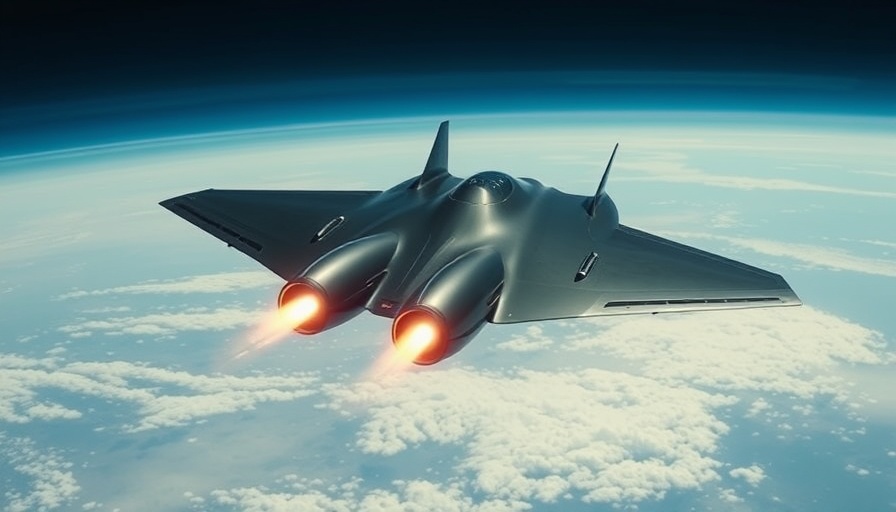
Hypersonic propulsion technology on sleek aircraft above Earth.

The Resurrection of Hypersonic Innovation

The revival of a hypersonic propulsion system from a now-bankrupt firm may set a new standard in aerospace technology. The European Space Agency (ESA) is backing Invictus, a project aiming to create a hydrogen-powered spaceplane that could fly by 2031. What makes this spaceplane unique is its approach: departing horizontally like an ordinary airplane, rather than launching vertically like a rocket.

The Engine Behind the Spaceplane

At the heart of Invictus’ engine design is innovative pre-cooler technology that can withstand the extreme temperatures encountered at hypersonic speeds. Developed by Reaction Engines before its closure, this technology cools superheated air using cold hydrogen, allowing the propulsion system to operate more efficiently under harsh conditions. This is a game-changer because typical turbine engines fail when exposed to such temperatures.

The Future of Air Travel?

The Invictus project isn’t just about reviving a concept; it's about creating a more sustainable means of reaching the edge of space. This aircraft would utilize hydrogen fuel, promising lower emissions compared to conventional jet fuels. Additionally, with the capability to take off from regular runways and be reused numerous times, this spaceplane could greatly reduce costs associated with space access.

Building a Strong Consortium

Invictus is spearheaded by Frazer-Nash Consultancy, which houses many former engineers of Reaction Engines, ensuring a wealth of experience is carried into this new venture. Other partners, such as Spirit AeroSystems and Cranfield University, bring diverse expertise that strengthens this initiative. Director Sarah Wilkes expresses optimism, stating that the combination of engineering knowledge and industry support gives them a solid foundation to turn this ambitious vision into a reality.

Broader Implications for the Aerospace Industry

The potential impact of Invictus stretches far beyond the immediate goal of creating a hypersonic vehicle. It represents a crucial shift in how we view space travel and aerospace innovation as a whole. If successful, such projects could lead to a renaissance in hypersonic travel, opening up new avenues for both commercial and scientific exploration.

Marketing Evolution

0 Comments

Write A Comment

*
*
Please complete the captcha to submit your comment.
Related Posts All Posts
07.06.2026

Tech Billionaires Invest $120M to Challenge California’s Wealth Tax: What This Means

Update Understanding the Wealth Tax Debate in California In a surprising move, some of California’s wealthiest tech billionaires have banded together to invest $120 million into a campaign aimed at repealing the state’s proposed wealth tax. This tax would primarily impact individuals with net worths of $30 million or more, raising significant funds for public services. However, many billionaires argue that such a tax would drive them away from the state, taking their businesses and philanthropic ventures with them. The Stakes for the Tech Industry California has long been the heart of the technology sector, attracting talent and investment like no other state. The potential implementation of a wealth tax has sparked intense discussions around its implications for the economy. Billionaires like Elon Musk and Mark Zuckerberg argue that higher taxes could hinder innovation and scalability in their respective industries, potentially pushing economic growth to other states. Public Sentiment and Political Reactions Public reaction to the wealth tax has been mixed. Many lower-and-middle-income Californians support the tax, seeing it as an avenue to fund essential services like healthcare and education. Advocates argue that wealthier individuals must contribute fairly to maintain the infrastructure that supports their businesses. Looking Ahead: The Future of Wealth Taxation As the campaign unfolds, future predictions indicate that this battle between wealth and taxes may set precedents for states across the country. If the tech giants succeed in quashing the tax, it may embolden other affluent regions to resist wealth taxes, suggesting a shift in how America perceives wealth redistribution and fiscal responsibility. Conclusion: Navigating Complex Choices This multimillion-dollar effort poses critical questions about the role of wealth in society and the responsibilities that come with it. As stakeholders from both sides navigate this debate, the outcomes could redefine the economic landscape and influence policies far beyond California.

07.06.2026

How US Control of Frontier AI Impacts NATO’s Future Strategy

Update The Crucial Role of AI in Global Security The NATO summit taking place in Ankara is a pivotal moment to discuss the importance of artificial intelligence (AI) in modern security frameworks. As technology evolves, so too do the threats and opportunities it presents. Leaders at NATO are increasingly realizing that AI is not just a tool but a strategic asset that can define the balance of power among nations. Why AI Access Is Central to National Defense Control over AI technology influences a nation’s defense capabilities. Countries that establish superior AI systems can anticipate threats, drive military decisions, and enhance their geopolitical standing. This shift emphasizes a need for robust collaboration among NATO members to derive innovative solutions and leverage their collective strength. Future Predictions for AI in NATO Frameworks As the summit unfolds, predictions about the future landscape of global defense highlight the integration of advanced AI technologies into military operations. The expectation is that as AI tools become more sophisticated, they will be employed not just in decision-making, but also in predictive analytics, surveillance, and intelligence-gathering. Challenges Ahead: Risks and Ethical Considerations While AI holds great promise, it also poses significant risks. Ethical dilemmas surrounding autonomous weapons and privacy issues are among the hurdles NATO must address. These concerns highlight the importance of establishing guidelines for the use of AI in warfare to prevent misuse and ensure accountability. Collaboration for a Technologically Advances Future The upcoming discussions in Ankara are an opportunity for NATO member countries to solidify agreements on AI-related technologies. Ensuring equitable access to these advancements must be a priority, promoting shared benefits and reducing the likelihood of power imbalances that could lead to tensions. A strategic focus on AI is crucial both for national security and for fostering international collaboration in technology. As NATO continues to navigate these uncharted waters, it has the potential to shape a framework for AI that not only promotes security but also safeguards ethical standards in its application.

07.06.2026

Alibaba's Lobbying Ban Lift: What It Means For Future Relations

Update Alibaba's Lobbying Ban Reprieve ExplainedIn a significant development for Alibaba, a federal judge has granted the company a temporary reprieve from a lobbying ban associated with the Pentagon's blacklist. This decision marks a pivotal moment as the Chinese e-commerce giant has faced increasing scrutiny and restrictions due to national security concerns.Why Was Alibaba Blacklisted?Alibaba, along with other Chinese firms, was placed on a Pentagon blacklist that restricts their engagement in lobbying U.S. government entities. The ban arose from concerns that these companies could potentially threaten American interests or security. The lobbying restrictions hindered Alibaba's ability to communicate effectively with policymakers, impacting its operational landscape in the U.S.What This Reprieve Means for AlibabaThis reprieve could allow Alibaba to resume important lobbying activities, providing them a chance to clarify misconceptions and advocate for their interests directly with lawmakers. Given the competitive and intricate nature of the tech market, this opportunity may shape Alibaba's strategy moving forward, particularly in navigating relations with U.S. regulators.Broader Implications for International Tech FirmsThis decision isn't just about Alibaba; it's a signal of the evolving landscape for international tech companies operating in the U.S. The reprieve allows for discussions about how technology firms can maintain their operations in an increasingly scrutinized environment. With fast-changing regulations, companies must adapt quickly to survive.Future Predictions for AlibabaAs technology and geopolitics intersect more frequently, Alibaba's reprieve may set a precedent for other tech firms facing similar bans. As the global tech landscape evolves, staying agile will be crucial for companies like Alibaba. The path forward for tech giants may increasingly involve negotiation and collaboration across borders, seeking to integrate their innovations into diverse markets while adhering to local regulations.

Terms of Service

Privacy Policy

Core Modal Title

Sorry, no results found

You Might Find These Articles Interesting

T
Please Check Your Email
We Will Be Following Up Shortly
*
*
*