

Add Row
Add Element
cropper
update
AI Ranking by AIWebForce.com
cropper
update
Add Element
  • Home
  • Categories
    • Marketing Evolution
    • Future-Ready Business
    • Tech Horizons
    • Growth Mindset
    • 2025 Playbook
    • Wellness Amplified
    • Companies to Watch
    • Getting Started With AI Content Marketing
    • Leading Edge AI
    • Roofing Contractors
    • Making a Difference
    • Chiropractor
    • AIWebForce RSS
  • AI Training & Services
    • Three Strategies for Using AI
    • Get Your Site Featured
April 17.2025
3 Minutes Read

Navigating USB Cables: Which is Best for Your Devices?

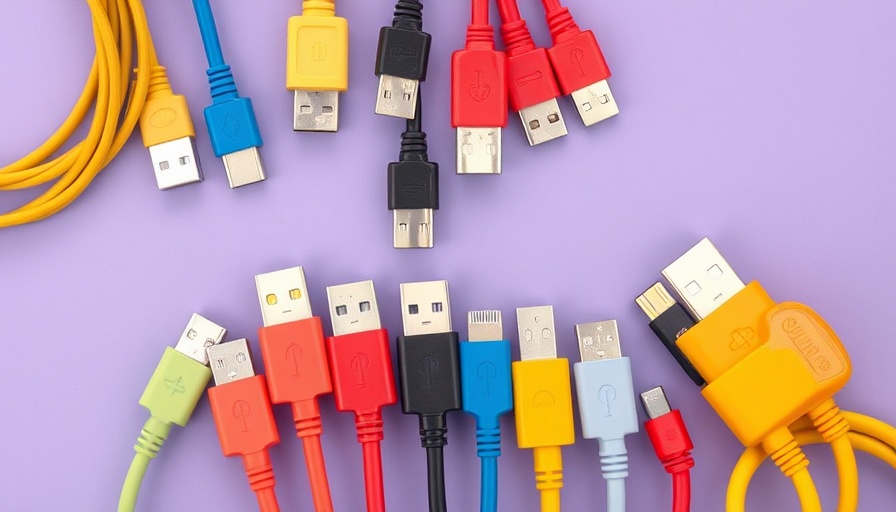
Best USB cable types in a variety of connectors.

Understanding USB Cables: More Than Just a Connection

With a myriad of USB cables stashed in our drawers, it’s easy to feel overwhelmed when trying to understand the differences between them. In our tech-driven lives, choosing the correct USB cable isn’t just about compatibility; it’s about efficiency, speed, and future-proofing your devices.

Deciphering the Types: The USB Family

USB cables come in multiple types, each with unique shapes and functionalities. The most common types are USB-A, Micro-USB, USB-C, Mini-USB, and Lightning cables. As technology evolves, so do these cables, making it crucial to be aware of what each type offers.

USB-A: The Classic Choice

USB-A, the rectangular and recognizable connector, has long been the standard. Found universally across laptops, TVs, and adapters, it serves well for most basic needs. However, the struggle is real when facing the awkwardness of its non-reversible design. Various versions like USB 2.0 and USB 3.0 provide different speed capacities, reaching up to 480 Mbps for USB 2.0 and much faster for later versions.

Micro-USB: A Brief but Important Legacy

Common in older Android devices and many accessories, Micro-USB was once a go-to connector but is now becoming obsolete. Its distinctive trapezoidal shape is beginning to fade, replaced by more durable and efficient counterparts. While still useful, users should be cautious as wear can lead to performance issues.

USB-C: The Future of Connectivity

USB-C is the rising star of the USB family, offering versatility, speed, and a reversible design that users have been waiting for. This cable supports an incredible array of functionalities including charging, data transfer, and even video output. Depending on the model, USB-C can handle speeds up to 40 Gbps, making it ideal for charging everything from smartphones to laptops effectively. However, not all USB-C cables are identical, highlighting the importance of checking specifications before purchase.

Mini-USB: A Nostalgic Throwback

If you remember using Mini-USB for digital cameras and MP3 players, you’re not alone! Though it may be outdated, many old devices still rely on these connectors. If you happen to possess such devices, keep your Mini-USB cables handy, as they are becoming increasingly rare.

Lightning Cables: Apple’s Essential

For Apple enthusiasts, Lightning cables are essential. Slim and reversible, they support both charging and data transfer. However, their price and limited compatibility versus USB-C may leave many wondering about their longevity, especially with Apple shifting toward USB-C connections across newer products.

Future Considerations: Making Smart Choices

As we embrace advancements in technology, understanding USB cables can streamline our digital lives. It might be time to evaluate which cables are truly needed and consider replacing older models with USB-C to ensure compatibility with future devices. In this rapidly evolving tech landscape, opting for the right type of USB cable can optimize performance and extend the lifespan of our cherished gadgets.

Moving Forward: Be Prepared!

Next time you find yourself tangled in cords, make informed decisions about which USB cables to keep. Understanding the functionality and future potential of these connections can improve your daily tech experience.

Home Now and Future

0 Comments

Write A Comment

*
*
Related Posts All Posts
01.13.2026

Protect Yourself: The Legal Implications of Sharing Video Doorbell Footage

Update Understanding the Legal Landscape of Video Doorbells As technology advances, video doorbells have become commonplace across neighborhoods, providing homeowners with a sense of security and the ability to monitor their properties remotely. However, the legal considerations surrounding the use and sharing of video doorbell footage can be complex. The Inevitable Question: Is it Legal to Record Doorbell Footage? The legality of recording doorbell footage hinges on the specifics of what is being recorded and where. Most states allow homeowners to film external areas of their own property, such as the front yard or sidewalk, where there is no expectation of privacy. But caution is necessary if your camera's lens inadvertently captures the inside of a neighbor's residence or private conversations, which can lead to potential legal repercussions. The Risks of Sharing Your Footage While it may be tempting to share compelling footage online, doing so can lead to serious legal issues. Key risks include accusations of defamation, invasion of privacy, or unlawful sharing of footage that identifies individuals without consent. Attorney Robin D. Perry advises against making assumptions about footage before sharing, especially if individuals can be identified. Such actions can open a floodgate of legal challenges. The Storage Issue: How Long Can You Keep Footage? Legally speaking, there are no strict regulations on how long video footage can be stored, provided it was obtained lawfully. However, it’s advisable to regularly check local regulations to remain compliant. Though technology enables indefinite storage, ethical considerations should guide your choices in retaining footage. Potential Consequences of Sharing Video Doorbell Footage Beyond legal ramifications, sharing recorded footage may inadvertently open homeowners up to civil lawsuits. Even if a video seems harmless, personal motives like embarrassment can lead individuals to take legal action if they feel misrepresented. Moreover, it’s important to review any housing agreements you may have signed, as leasing regulations could also restrict how video footage is utilized. How Privacy Laws Vary by State Privacy laws are not uniform across the U.S. For example, Florida’s law generally permits filming public areas as long as privacy expectations are respected, whereas California requires the consent of all parties involved in recorded conversations. Familiarizing oneself with local laws can help navigate the murky waters of video surveillance legislation. Taking Action with Your Footage: Best Practices If your video doorbell footage captures suspicious activity, the best course of action is to report it to law enforcement rather than posting it online. This approach helps protect privacy and reduces the potential for legal entanglement while ensuring that any serious issues are appropriately addressed. Final Thoughts: Stay Informed As our reliance on doorbell cameras increases, so does the need to understand the accompanying legal implications. These devices, while enhancing security, come with responsibilities. Engaging with legal experts to clarify local regulations can safeguard your interests and promote the responsible use of technology.

01.13.2026

Protect Your Home: Is Your Wi-Fi Exposing You to Cyber Threats?

Update Is Your Wi-Fi Putting Your Family at Risk? The modern home is smarter than ever, with approximately 21 Wi-Fi connected devices in the average American household. However, greater connectivity brings a higher risk of cyber threats. Cybersecurity experts warn that unsecured networks could easily compromise every device connected to them. "If your Wi-Fi is compromised, every connected device is at risk," says wireless technology expert Andy Hurt. The possibility of a data breach is real, especially with one-third of smart home device users reporting they’ve been victims of scams or breaches, according to Consumer Affairs. Understanding Wi-Fi Vulnerabilities Wi-Fi networks can easily become entry points for cybercriminals. Default router passwords are often the first to be exploited. If a network is left with its factory settings, it becomes vulnerable to unauthorized access. Not only can thieves hijack your devices, but they can inflict greater harm by using your network to facilitate cyber crimes, impacting both your privacy and your legal standing. Cybercrime expert Calum Baird highlights that law enforcement could treat you as a suspect if your network is misused for illicit activities. Essential Steps to Secure Your Wi-Fi Fortunately, increasing your Wi-Fi security doesn’t have to be complicated or expensive. "Most basic security improvements can be made quickly and inexpensively," Hurt assures. Here’s a streamlined approach to securing your network: Change the Default Password: Your router comes with default login credentials. Change these as soon as possible, opting for a strong, unique password to deter potential intruders. Enable WPA3 Encryption: Check your router settings and switch to WPA2 or WPA3 encryption. This will encrypt data traveling between your devices and the internet. Identify Unfamiliar Devices: Regularly monitor the devices connected to your Wi-Fi. If you see any unfamiliar or unauthorized devices, disconnect them immediately. Update Router Firmware: Firmware updates contain crucial security patches. Make it a habit to regularly check for and install updates. Utilize Guest Networks: Consider setting up a “guest network” for visitors and any smart devices. This limits access to your primary network, safeguarding sensitive information. This Is Why Wi-Fi Security Matters The importance of robust Wi-Fi security cannot be overstated. As our reliance on smart devices continues to rise, so too does the need for enhanced cybersecurity practices. Following the recommendations from cybersecurity experts, as well as insights from reputable studies, can significantly mitigate risks and give users peace of mind. Julie Haney from NIST emphasizes that planning before purchasing smart devices is crucial; understanding a product's security features and previous breach history can shelter users from potential vulnerabilities. Final Thoughts Ensuring your Wi-Fi network is secure is not just an option; it's a necessity in today’s highly connected world. By understanding the risks and taking actionable steps, you can protect your family from the growing threats of cybercrime. Remember, a secure home is the smartest home you can have!

01.10.2026

California DMV's Major Recall: Is Your REAL ID Affected?

Update California DMV's Major Recall: What You Need to Know This month, California's Department of Motor Vehicles (DMV) made headlines by announcing the recall of over 325,000 REAL ID cards. These recalls were prompted due to a software glitch dating back to 2006, which affected the expiration dates on the cards for some legal immigrants residing in the state. If you hold a REAL ID, it’s essential to check if you’re among those impacted and understand the steps needed to rectify this situation. An Unexpected Software Glitch According to the DMV's recent press release, the problem arose during a routine review of their systems, where they discovered that some REAL IDs were issued with incorrect expiration dates. Specifically, the system misapplied standard renewal intervals instead of aligning the expiration dates with the holders’ immigration authorizations. The issue was limited to lawful immigrants, meaning that no undocumented individuals were involved in this oversight. Who is Affected? Approximately 1.5% of REAL ID holders in California will need to take action due to these misprint notifications. If you haven't received any communication from the DMV, there’s no need for concern. However, the affected individuals will soon be mailed instructions on how to proceed. The DMV has committed to waiving any fees associated with the replacement of these IDs, which will help alleviate some concerns among immigrants who may already feel apprehensive about their interactions with government institutions. Understanding the Implications for Legal Immigrants This situation has raised significant conversations regarding the experiences of legal immigrants. Advocates for immigrant rights have expressed concerns that the requirement to visit DMV offices could expose these individuals to unnecessary risks, especially in a climate where scrutiny of immigration status is high. The DMV’s reassurance that no undocumented individuals were ever issued REAL IDs underscores a crucial point, but the anxiety around ICE activities remains prevalent. The DMV's Response and Next Steps The DMV is visibly trying to manage the fallout by ensuring communication is clear and secure. They advise affected residents to ignore unsolicited phone calls, texts, or emails asking for personal information, which could be scams. For those expecting notifications, patience is key as the DMV coordinates their communications and processing of replacement IDs. A Glimpse into the Future This incident serves as a reminder of how important it is for government agencies to maintain up-to-date technology systems and processes. As more residents transition to REAL IDs for air travel and other identification needs, the integrity and reliability of these systems are paramount. It's crucial we advocate for technological upgrades and proper oversight to prevent such issues from recurring in the future. Your Actions Matter If you hold a REAL ID and are worried you may be affected by this recall, keep an eye on your mailbox for official communication from the DMV. If you receive a notice, act promptly to ensure that your ID remains valid. Engaging with the DMV proactively can make this process smoother for everyone involved. Staying informed about your identification documents and government actions is essential in today’s climate, especially for vulnerable populations. This is a pivotal moment for Californians to reinforce the importance of keeping state institutions accountable.

Terms of Service

Privacy Policy

Core Modal Title

Sorry, no results found

You Might Find These Articles Interesting

T
Please Check Your Email
We Will Be Following Up Shortly
*
*
*