

Add Row
Add Element
cropper
update
AI Ranking by AIWebForce.com
cropper
update
Add Element
  • Home
  • Categories
    • Marketing Evolution
    • Future-Ready Business
    • Tech Horizons
    • Growth Mindset
    • 2025 Playbook
    • Wellness Amplified
    • Companies to Watch
    • Getting Started With AI Content Marketing
    • Leading Edge AI
    • Roofing Contractors
    • Making a Difference
    • Chiropractor
    • AIWebForce RSS
  • AI Training & Services
    • Three Strategies for Using AI
    • Get Your Site Featured
March 19.2025
2 Minutes Read

How AI Image Generators Can Revolutionize Your Marketing Strategy

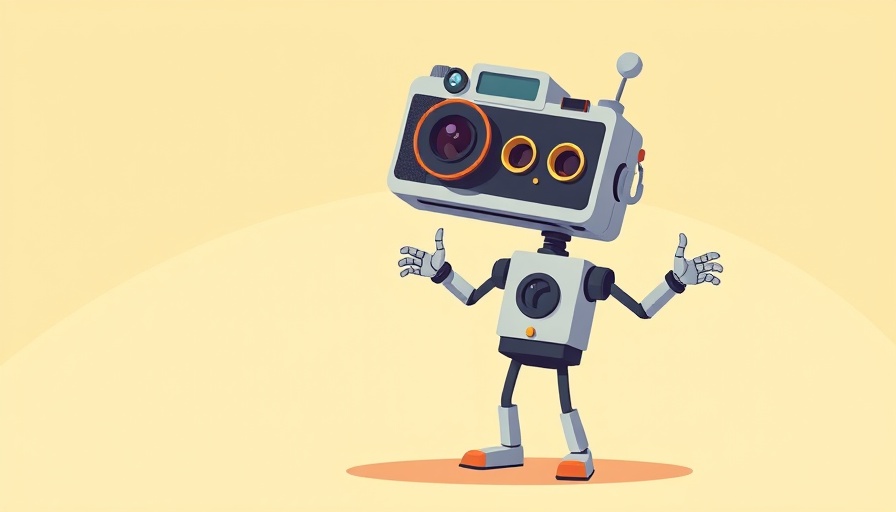
Quirky vintage camera and robot illustration for AI image generators.

Unlocking Creativity with AI Image Generators

AI image generators are revolutionizing the way marketers approach visual content creation. As social media and digital marketing intensify, the need for stunning visuals has become paramount. Today’s AI image generators make it accessible for anyone, regardless of artistic background, to produce eye-catching images by simply inputting text prompts.

For instance, imagine asking an AI to create a “futuristic cityscape at sunset” or “a cat dressed as a pirate.” These requests are no longer confined to the imagination; they are actualized in seconds with tools like DALL-E 3 or Midjourney. The fusion of technology and creativity allows marketers unequaled flexibility and a chance to experiment without the heavy toll of traditional graphic design costs.

Transformative Impact on Marketing Strategies

The impact of AI image generators on marketing strategies is significant. According to research from industry sources, businesses utilizing these tools have seen an uptick in engagement metrics due to the unique and appealing imagery. With tools like Adobe Firefly providing high-quality, commercially safe images, marketers can craft tailored campaigns that stand out in crowded digital spaces.

Furthermore, platforms such as Canva and JumpStory not only enable image generation but also offer seamless integration into marketing workflows, elevating the overall efficiency of creative processes. With the ability to output different styles and variations, marketers can ensure their visual content remains fresh and relevant.

Why Understanding AI's Functionality Matters for Marketers

Understanding how AI image generators function is essential for marketers. These tools train on existing images and learn what resonates with viewers. Such knowledge can inform better prompt crafting and creative decisions. Marketers who grasp the technology behind these AI tools can maximize their effectiveness and create visually compelling narratives that resonate with their audience.

Additionally, marketers should consider ethical aspects when using AI-generated images. As the line blurs between creativity and copyright, questions of originality arise. Acknowledging these issues can shape responsible marketing practices and foster trust with audiences.

Next Steps for Marketers: Embracing AI Technologies

The future of marketing undoubtedly lies in embracing technologies like AI image generators. As we move toward a more digitized world, staying informed about these innovations will provide a competitive edge. It’s time for marketers to leverage these tools, explore their creative boundaries, and enhance their brand’s visual storytelling.

To gain insights into the functionality and application of these tools, delve into reports from leading industry sources that explore the state of AI in marketing. By equipping yourself with knowledge, you prepare to adapt swiftly to the evolving landscape of digital marketing.

Emerging Trends

0 Comments

Write A Comment

*
*
Please complete the captcha to submit your comment.
Related Posts All Posts
04.07.2026

Maximize Efficiency: How to Choose the Best Workflow Automation Software for Your Business

Update The Power of Workflow Automation SoftwareIn a rapidly evolving business landscape, workflow automation software has emerged as a game-changer, allowing teams to streamline operations and enhance efficiency. These tools automate repetitive tasks across systems through predefined triggers and logic, freeing up valuable time for creativity and strategic work.Choosing the Right Software for Your Growth StageWhen selecting workflow automation software, it’s crucial to align your choice with your organization’s growth stage. For startups, simple, no-code tools that provide quick automations for tasks like email follow-ups can set the foundation for future growth. Tools like HubSpot Marketing Hub Starter and Monday.com fit this early-stage need.As companies scale, more intricate needs surface. For growth-stage companies, orchestration across various functions becomes essential. This is where platforms like Jira and ClickUp offer robust features to manage complex processes. Finally, enterprise-grade solutions, such as Adobe Workfront, come into play for large organizations that require comprehensive oversight across multiple teams.The Role of Automation in Everyday Business ProcessesAutomation tools connect disparate systems, facilitating seamless information flow. For example, when a potential customer fills out a form, automated workflows can notify the relevant sales team members, log the data into CRM systems, and trigger a follow-up email—all without manual intervention. This interconnectedness becomes increasingly vital as organizations grow and scale.Future Trends in Workflow AutomationLooking ahead, we can expect innovations in AI and machine learning to shape the future of workflow automation. As noted by industry experts, AI capabilities will enhance automation tools by predicting task bottlenecks and optimizing workflows based on historical data. Companies will benefit from these advancements, allowing them to operate with increased agility and effectiveness.Conclusion: Invest Smartly in AutomationSelecting the right workflow automation software can save companies both time and money, ultimately driving better business outcomes. It’s important to understand the unique needs of your organization and choose a platform that will grow with you. The journey into automation begins with careful planning and the right tool for your specific growth stage.

04.07.2026

How AI-Driven Email Personalization Strategies Boost Engagement and Sales

Update Unlocking the Future of Email Marketing with AI PersonalizationThe rise of AI-driven email personalization represents a transformative change within digital marketing. As brands scramble to capture consumer attention in a crowded inbox, innovative strategies powered by artificial intelligence (AI) have emerged, completely rewriting the rules of engagement.Understanding AI-Driven Email PersonalizationAI-driven email personalization employs advanced machine learning techniques to create targeted, personalized content for each subscriber. Rather than the rudimentary method of simply inserting the recipient's name, AI utilizes detailed customer data—including browsing behavior and past purchases—to customize subject lines, body text, and even the timing of email delivery. This nuanced approach not only enhances user experience but significantly boosts email open and conversion rates.The Mechanics Behind Effective PersonalizationAccording to recent reports, 93% of marketers have found that personalized experiences results in higher lead generation and sales. By leveraging generative and predictive AI, businesses can effectively segment their audience and automate the personalization process, making it both scalable and efficient. Generative AI drafts personalized messages, while predictive AI assesses when contacts are most likely to engage, ensuring each email hits at the optimal moment.Best Practices to Enhance Your Email CampaignsWhile the benefits are clear, implementing AI-driven personalization requires careful consideration. Brands must prioritize customer privacy, ensuring they respect data protection regulations and customer consent. It's crucial also to maintain a uniform brand voice, even when incorporating AI-generated content. Regular A/B testing and performance monitoring can further refine strategies, allowing companies to optimize their messaging in real-time.Real-World Applications of Predictive PersonalizationThe shift towards predictive personalization isn't just about analyzing data; it's about anticipating customer needs before they arise. For example, AI can determine the ideal time to send reminders for product replenishment, or it can tailor email content based on a customer's lifecycle stage to reinforce engagement. With techniques such as next-best-action recommendations, businesses can guide customers through their journey—boosting both satisfaction and sales.Conclusion: Embracing AI for Long-Term SuccessAI-driven email personalization is not a passing trend; it’s becoming essential for brands aiming to build lasting connections with their audience. As technologies advance, the potential for AI to enhance customer experiences and drive business growth is vast. By embracing these new strategies, marketers can position themselves at the forefront of the evolving digital landscape.

04.07.2026

Is AI Really Killing Web Traffic? Understanding AI Overviews Impact

Update The Rise of AI Overviews: A Shift in Web Traffic Dynamics In the rapidly evolving digital landscape, the emergence of AI Overviews presents a seismic shift for marketers and website owners. Traditionally, organic search traffic has underpinned digital marketing strategies, providing a steady stream of visitors based on relevant SEO practices. However, studies reveal a concerning trend: as of December 2025, organic click-through rates for top positions have plummeted by an average of 58%, attributable to Google's AI Overviews that answer user queries directly within search results. This transformation has left numerous businesses grappling with the question, “Is AI killing web traffic?” Understanding the Zero-Click Phenomenon AI Overviews summarize information and display it prominently at the top of search engine results pages (SERPs), effectively siphoning off what used to be organic traffic to website links. Such changes have ushered in a ‘zero-click’ reality where users find their answers without ever needing to visit external sites. According to data from Seer Interactive, from June 2024 to September 2025, organic CTR for AI Overview queries reportedly dropped by an astonishing 61%. This significant decline underscores the urgency for brands to adapt marketing strategies in this AI-centric landscape. Brands Must Innovate for Visibility Despite the stark reduction in clicks, the emerging trends also present an opportunity for businesses willing to innovate. Simple queries are now more likely to generate zero-click results, while nuanced or branded questions can still drive traffic. Emphasizing original research, structured data, and compelling content can help brands secure their place amidst the noise generated by AI. Brands that invest in Answer Engine Optimization (AEO), as advocated by HubSpot’s free AEO guide, are more likely to adapt successfully and capture AI-generated traffic. Differentiating Through Unique Content To stand out in a crowded field where AI Overviews dominate results, companies will need to create content that AI cannot easily summarize or simplify. This includes detailed guides, original research, and case studies that showcase real-world applications. Experts recommend using a content structure that consists of concise Q&A sections, utilizing headers that not only attract AI’s attention but also enhance user readability. Productions of highly detailed stories or in-depth analyses that provide genuine value should be prioritized. The Future of SEO: Navigating New Norms Looking ahead, businesses must embrace the changing nature of SEO, focusing on channels that complement a diversified marketing approach. As AI continues to reshape the way consumers search for information, employing visual and video content will become increasingly important. With traditional text-based answers being supplemented or replaced by multimedia, companies that invest in engaging video content can gain a competitive edge. AI Overviews may be changing the landscape, but they are also creating paths for innovation that can enhance visibility, brand recognition, and traffic. Concluding Thoughts: Adapt and Thrive While the advent of AI Overviews raises significant concerns surrounding organic traffic, it's essential to view these changes as opportunities for growth and adaptation. By evolving marketing strategies, investing in unique, high-value content, and diversifying traffic channels, brands can not only survive but thrive in this new digital ecosystem. Explore how your brand can navigate these changes effectively and enhance your strategy to remain competitive in the AI-dominated search landscape.

Terms of Service

Privacy Policy

Core Modal Title

Sorry, no results found

You Might Find These Articles Interesting

T
Please Check Your Email
We Will Be Following Up Shortly
*
*
*