

cropper
AI Ranking by AIWebForce.com
cropper
  • Home
  • Categories
    • Marketing Evolution
    • Future-Ready Business
    • Tech Horizons
    • Growth Mindset
    • 2025 Playbook
    • Wellness Amplified
    • Companies to Watch
    • Getting Started With AI Content Marketing
    • Leading Edge AI
    • Roofing Contractors
    • Making a Difference
    • Chiropractor
    • AIWebForce RSS
  • AI Training & Services
    • Three Strategies for Using AI
    • Get Your Site Featured
April 30.2025
3 Minutes Read

Embrace Water-Saving Solutions for a Sustainable Garden and Yard

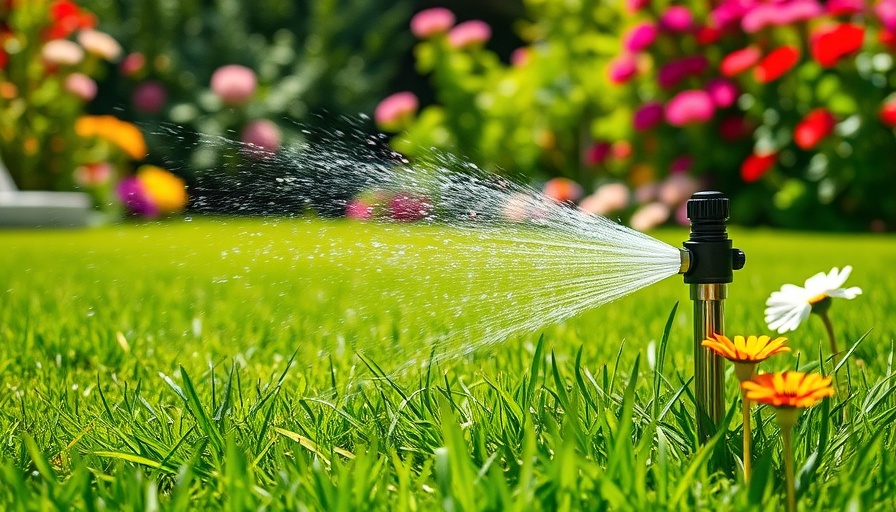
Efficient sprinkler watering vibrant garden lawn.

Why Water Conservation Matters More Than Ever

In today’s world, where resources are becoming increasingly scarce and expensive, conserving water is not merely a suggestion but a necessity. In many communities, including mine, water prices have soared, making every drop precious. By adopting effective water-saving strategies, you not only save on utility bills but also contribute to a sustainable future. Here are ten practical tips to help you make your garden and yard more water-efficient and eco-friendly.

Invest in Native and Drought-Tolerant Plants

When it comes to landscaping, one of the most effective strategies is to choose the right plants. Opt for drought-resistant species that thrive in your local climate. For lawns, varieties like buffalo grass or fescue are ideal, while in garden beds, consider plants like lavender or black-eyed Susans. These plants reduce the need for excessive watering, thus conserving both water and money.

Harness the Power of Rainwater

Incorporating rain barrels into your landscaping not only provides free water but also helps in stormwater management. By redirecting the rain from your roof, these barrels can collect a substantial amount during a storm, offering a sustainable resource to draw from in dry spells. This method not only conserves municipal water but also reduces runoff that can carry pollutants into waterways.

The Role of Mulching in Water Conservation

Mulching is an essential practice that offers multiple benefits. By applying a thick layer of mulch around your plants, you can minimize evaporation and keep the soil moist longer. Mulches such as wood chips or straw break down over time, enriching the soil, and fostering healthy plant growth while also reducing the labor needed to maintain your garden.

Smart Irrigation for Smart Gardening

Technological advancements have made it easier to manage water usage efficiently. Installing a smart irrigation system allows you to automate watering schedules based on moisture levels in the soil. With ground sensors and weather integration, these systems ensure your plants receive exactly what they need—no more, no less—maximizing water use and minimizing wastage.

Enhancing Soil Quality

Healthy soil is fundamental to sustainable gardening. By adding organic matter like compost to your garden, you create a structure that improves moisture retention. This practice not only benefits your plants by providing essential nutrients but also reduces the frequency with which you need to water.

Exploring Alternatives: Ground Covers

If you're considering alternatives to traditional grass lawns, ground cover plants such as pachysandra or vinka vine could be the solution. They require minimal water once established and can withstand lower-maintenance conditions, propelling your garden towards a drought-friendly landscape.

Understanding the Bigger Picture

Implementing these water-saving tips is vital not only for your personal savings but also for the community's water supply. By cultivating landscapes that require less water, we contribute to a collective effort to preserve our planet’s vital resources. Moreover, with increasing climate-related challenges, the importance of implementing sustainable practices cannot be overstated.

As we look ahead, integrating these practices into our gardening workflows can pave the way for a more sustainable, connected future. Join the movement toward responsible water usage and make your yard a beacon of conservation. Together, these steps can lead to profound change and a healthier planet.

Home Now and Future

0 Comments

Write A Comment

*
*
Please complete the captcha to submit your comment.
Related Posts All Posts
09.15.2026

Why Shredded Paper Often Can’t Go in the Recycling Bin: Key Insights

Update The Complexity of Recycling Shredded Paper Despite the common perception that shredded paper is recyclable, many curbside recycling programs feel otherwise. The result? Households across the country are left navigating a confusing landscape of recycling regulations. While regular office paper can swiftly find its way into recycling bins, shredded paper’s small size presents unique challenges in the sorting process. As it’s processed, tiny shreds can slip through sorting machines or even mix into other waste, making it difficult to recycle effectively. Why Do Some Programs Accept Shredded Paper? The acceptance of shredded paper varies significantly by region. For example, in Gainesville, Florida, residents are required to place their shredded documents in a closed, labeled paper bag. Conversely, Portland, Oregon, has discontinued curbside collection of bagged shredded paper entirely because the bags can tear, spilling the contents and complicating recycling further. The U.S. Environmental Protection Agency (EPA) advises citizens to review their local recycling guidelines regarding shredded paper, reflecting the diverse approaches adopted across communities. Practical Tips for Homeowners For those looking to responsibly dispose of shredded paper, there are several actionable insights to follow. First and foremost, always check your local recycling program’s rules. If your community discourages shredded paper recycling, consider alternatives. Remember, plastic bags are often not accepted in many curbside programs and may render your shredded materials even more challenging to process. Another helpful tip is to shred only what is necessary. By limiting shredding to documents containing sensitive personal information, you're reducing the volume of shredded paper and facilitating better recycling outcomes for other types of paper. Future Trends in Recycling As sustainability becomes ever more critical, the manner in which communities handle recyclable materials will undoubtedly evolve. With innovations in recycling technology and increasing public awareness of environmental responsibility, we might see more sophisticated systems that can manage shredded materials effectively. In fact, advancements in machine design may soon allow facilities to include shredded paper in the recycling stream, streamlining the process for consumers. The Value of Understanding Recycling Practices Understanding the specifics of recycling practices related to shredded paper is not just a bit of trivia; it plays a vital role in promoting environmental sustainability. Each individual's actions contribute to a larger ecosystem, influencing waste management systems and our planet's health. By familiarizing ourselves with local recycling guidelines and adjusting our habits accordingly, we help ensure that our waste is handled in the most environmentally friendly way possible.

09.12.2026

Discover How Walmart's Flash Price Tag is Revolutionizing Shopping

Update Transforming Your Shopping Experience at Walmart Walmart has stepped into the future of shopping with its innovative digital price tag update, designed to enhance the customer experience while navigating the often-crowded aisles of its stores. Known as the “Flash Price Tag” feature, this technology allows customers to pinpoint specific products using the Walmart app, making shopping not only more efficient but also much more enjoyable. How the Flash Price Tag Works The Flash Price Tag feature utilizes digital shelf labels, which are small electronic displays that take the place of traditional paper price tags. Shoppers can now locate items by selecting them in the Walmart app, tapping the “Flash Price Tag” function, and seeing a blinking light on the corresponding shelf. This system is particularly valuable in busy aisles where several items may appear similar. By providing visual cues, Walmart aims to ease the frustration many face when searching for a specific product. Implications of Digital Labels on Pricing One common concern about digital shelf labels is their impact on pricing accuracy. However, Walmart reassures customers that the pricing updates remain under human control, with changes made systematically to avoid fluctuations based on demand or shopping trends. This adherence to stability aligns with Walmart’s commitment to maintaining everyday low pricing strategies, ensuring shoppers can trust the prices they see. The Growing Role of Technology in Retail As consumers increasingly turn to technology for convenience, Walmart’s updates stand as a case study in the evolution of traditional retail. With the rise of online shopping, brick-and-mortar stores are adapting by integrating tools that enhance the in-person shopping experience. This technological pivot not only supports operational efficiency but also fosters a stronger customer connection by making their journey seamless. Practical Tips for Shoppers To maximize the benefits of the new Flash Price Tag feature, shoppers should ensure they have the latest version of the Walmart app downloaded on their mobile devices. Familiarizing themselves with the app’s layout and utilizing the search function can further streamline their shopping experience. Additionally, customer feedback has been overwhelmingly positive, showcasing the importance of adapting to consumer needs in today’s retail landscape. Community Response and Adoption The introduction of digital price tags has received positive remarks from customers and over 500,000 TikTok users who shared their excitement about this innovative approach to shopping. Positive community feedback indicates a strong adoption potential and curiosity towards future developments in retail technologies. As Walmart continues to innovate and enhance its services, shoppers can look forward to a smoother experience that not only meets their needs but also enriches their shopping journeys. Don’t hesitate to explore these exciting new features on your next visit!

09.12.2026

Is Your Washer Smelling? Discover How Too Much Detergent Is The Culprit

Update Understanding the Roots of Smelly WashersMany people encounter unpleasant smells wafting from their washing machines, often assuming that mechanical issues are at play. However, a significant factor contributing to this phenomenon can be our laundry habits. Just like any household appliance, the washing machine operates best when used correctly, and improper use can lead to issues such as odor and inefficiency.The Hidden Consequences of Overusing DetergentWhen we believe that more detergent means cleaner clothes, it can lead to unintended consequences. Using too much detergent creates a buildup of residue that, rather than cleaning, can turn our machines into breeding grounds for unpleasant odors and mold. In fact, excess suds can impair a washing machine's performance, preventing clothes from being adequately rinsed and leading to that dreaded dank smell.How Overloading Affects PerformanceOverloading our washing machines can be another common mistake. When clothes are too tightly packed, they can’t move freely, which can lead to uneven washing and ineffective rinsing. According to Mary Gagliardi, a laundry expert from Clorox, overstuffed washers struggle to balance loads, ultimately causing issues during the spin cycle and resulting in soggy clothes.Best Practices for a Clean and Efficient WashTo prevent odor and ensure laundry is sufficiently cleaned, it's essential to not only curb our detergent use but to also learn how much detergent is truly necessary for each load. Starting with the lowest amount suggested by the detergent manufacturer can greatly improve washing efficiency and freshness. Every laundry detergent comes with precise instructions, and adhering to these guidelines can lead to effective washing while maintaining a healthy machine environment.Waste Reduction and Economic ImpactAdditionally, overusing detergent doesn’t just reek havoc on our washing machines; it also leads to unnecessary expenditure. Frequent purchases of detergent and energy waste from extra rinse cycles can take a toll on household budgets over time. Being mindful of how much we use is not only beneficial for our machines, but our wallets too!Taking Action: Addressing Common Laundry MistakesIf your washing machine isn’t performing optimally, take a moment to reflect on your habits. Start by properly measuring detergent and avoid cramming in too many items. Implementing these simple shifts may be all that’s needed to restore freshness to your laundry routine.

New Wave Rocket - An AiWebForce.com Project

AiWebForce.com - part of ElectricStoreFront.com

Darold Turock

610 740 4605

Terms of Service

Privacy Policy

Core Modal Title

Sorry, no results found

You Might Find These Articles Interesting

T
Please Check Your Email
We Will Be Following Up Shortly
*
*
*