


cropper
AI Ranking by AIWebForce.com
cropper
  • Home
  • Categories
    • Marketing Evolution
    • Future-Ready Business
    • Tech Horizons
    • Growth Mindset
    • 2025 Playbook
    • Wellness Amplified
    • Companies to Watch
    • Getting Started With AI Content Marketing
    • Leading Edge AI
    • Roofing Contractors
    • Making a Difference
    • Chiropractor
    • AIWebForce RSS
  • AI Training & Services
    • Three Strategies for Using AI
    • Get Your Site Featured
April 11.2026
3 Minutes Read

Discover the DIY Community Through the Stories of Four Creators

Woman in lace blouse smiling peacefully in natural light.

Understanding the DIY Spirit: A Journey of Creation

The concept of DIY (Do It Yourself) is not just a popular trend; it’s a lifestyle rooted in creativity and resilience. At the heart of this movement lies a vibrant community of individuals passionate about transforming their surroundings, sharing knowledge, and inspiring one another. As we delve into the experiences of four adventurous DIY creators, we find that their journeys are not just about their projects but also about personal growth and learning.

Insider Voices: Meet the DIY Innovators

Family Handyman’s Creator Program introduces four remarkable DIY enthusiasts: Steve, Carissa, Dustin, and Chi. These creators have diverse backgrounds and motivations that drove them into the world of home improvement. For Steve, the journey began with the practical need to furnish his new home on a budget. “When I got my own place, I realized I was broke, and if I wanted things, I had to learn how to do it myself,” he explains.

Carissa’s inspiration stemmed from the pandemic; she channeled her cabin fever into smashing outdated features in her home, unveiling the original charm hidden beneath. Meanwhile, young couple Dustin and Chi took the plunge into DIY while flipping their first house, which turned out to be a steep learning curve rife with challenges but also immense satisfaction.

Creative Planning: The Heart of DIY Projects

Every DIYer will tell you that planning is crucial. Carissa expresses her enthusiasm for the planning stage, “It’s where you get to be the most creative.” This phase not only lays the groundwork but allows for a sense of ownership in the project. The thrill of transforming an idea into reality is shared by all creators. Dustin and Chi relate to the joy of walking into a project with a vision, enhancing their skills as they bring it to life.

Lessons Learned: Reflecting on Past Projects

The creators are candid about their past endeavors and the lessons learned. Dustin and Chi reflect on their first house flip with a mix of pride and humor, wishing they could redo it with the skills they've acquired since. “We’ve learned so much since then and are much more experienced now,” they admit. Carissa also wishes she could revisit her first bathroom project, recognizing how much more efficient she could be today.

Beliefs That Shape DIY: The Confidence to Create

The mental shift through DIY projects plays a pivotal role in each creator's journey. Steve speaks to a newfound confidence in his abilities, stating that he’s learned he can solve any problem that arises. This change in mindset does not only apply to his projects but also translates to life itself. “Every project doesn’t have to be perfect to be a success,” he emphasizes, encouraging others to embrace the learning process.

Social Media and Community: Sharing the Journey

In today’s digital age, many DIYers share their journeys on social media, garnering a supportive community along the way. Carissa started documenting her projects to keep track of progress, which evolved into a creative outlet that resonated with others facing similar challenges. By sharing their ups and downs, these creators not only inspire others but also connect deeply over shared experiences.

The Future of DIY: Opportunities and Aspirations

As these creators look ahead, they’re excited about the skills they want to acquire. Steve is interested in 3D printing and epoxy builds to expand his project possibilities. Carissa is eyeing insulation and drywalling for a future attic project, while Dustin and Chi are dreaming of building a greenhouse and chicken coop. Each new skill deepens their connection to DIY culture, constantly evolving as they expand their horizons.

The Heart and Soul of DIY: Emotional Connections

Ultimately, the DIY journey is filled with emotional connections—from the joy of creating a space that reflects one’s personality to the memories built in the process. For these creators, the stories shared with their families and future generations are the true essence of their work, proving that DIY is more than building and fixing; it’s about creating a life shaped by imagination and determination.

In a world where DIY projects can seem daunting, these creators exemplify that passion and perseverance are key ingredients to success. As you embark on your own DIY journeys, remember that every challenge overcome can lead to transformation, both in your work and in your life.

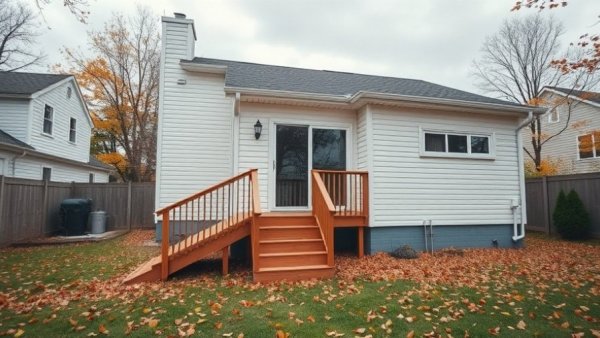
Home Now and Future

0 Comments

Write A Comment

*
*
Please complete the captcha to submit your comment.
Related Posts All Posts
10.22.2026

Enjoy Bonfire Season Safely: Essential Dos and Don’ts

Update Bonfire Season: A Time for Fun and Safety As the nights grow longer and the weather cools down, many of us are excited to gather around the fire for some warmth and connection with friends and family. Bonfire season is a cherished tradition in many communities, but it’s crucial to keep safety at the forefront of these outdoor celebrations. This article outlines the fundamental dos and don’ts to enjoy a bonfire safely. Do: Know the Regulations Before lighting that first match, the most important step is to ensure that your bonfire is legal in your area. Contact your local fire department to inquire about necessary permits, distance regulations from structures, size restrictions, and whether brush burning is allowed. A quick phone call can save you from fines or worse, serious accidents. Eugene Klimaszewski, a fire and home safety expert, emphasizes that planning is crucial: “One call to the fire marshal’s office takes two minutes. Otherwise, you risk penalties that could be avoided with just a bit of knowledge.” Keeping informed means not only following regulations but also safeguarding your community. Don’t: Ignore Weather Conditions Weather plays a significant role in fire safety. Before you light your bonfire, check for strong winds or dry conditions that could quickly escalate a small flame into a dangerous situation. The National Interagency Fire Center suggests postponing bonfire events during periods of high fire danger or dry seasons. Being aware of the surroundings can prevent potentially disastrous outcomes. Fires can spread rapidly under certain conditions, so adjusting your plans according to weather forecasts can keep everyone safe. Do: Have a Safety Plan in Place Another critical aspect of bonfire safety is having a clear safety plan. This includes ensuring that you have a bucket of water or a garden hose ready to extinguish the fire quickly if necessary. Define a safe perimeter around the fire where children and pets are kept at a distance. Discuss safety rules with your guests so that everyone understands how to enjoy the bonfire responsibly. By proactively establishing such measures, you’ll create a friendly atmosphere that’s focused on fun without compromising safety. List roles for your friends or family as part of this plan, assigning tasks like managing the fire, monitoring kids, and keeping drinks filled! Don’t: Leave the Bonfire Unattended It might be tempting to step away to refill drinks or grab more snacks, but leaving a bonfire unattended can be quite hazardous. Fires can flare up unexpectedly and should always be monitored. Make sure someone is always keeping an eye on the flames while enjoying the evening. In case of emergencies, having someone present can mean the difference between a contained bonfire and a large uncontrollable blaze. Prioritize safety in these relaxed settings. Do: Know When to Put It Out As the night winds down and it’s time to head inside, ensure that you don’t just leave the fire to burn out on its own. Completely extinguishing the fire is essential. Pour water on the embers and stir them around to ensure thorough cooling. Use your hand to feel for heat, ensuring everything is safe before you leave. Doing this not only protects your property but also the surrounding environment from potential risk. Aside from being a best practice, it is your responsibility as a bonfire host. Conclusion: Enjoying Bonfire Season Responsibly Bonfire gatherings can foster connection and create joyful memories. However, prioritizing safety cannot be overstated. By following these dos and don’ts, you can ensure your bonfire season is both enjoyable and responsible. As cooler nights approach, let's celebrate the season while keeping safety front and center. Remember, a few precautions can make a world of difference!

10.22.2026

Why Rental Income from ADUs Can Transform Your Single-Family Home

Update The Hidden Costs of the Single-Family Home Dream The pursuit of homeownership often comes with preconceived notions about what success looks like. For many, owning a single-family home is a marker of achievement. However, beneath this illusion lies a reality that can be disappointing. After years of renting out a two-family home, my wife and I finally took the plunge into single-family living. Yet, instead of the relief and joy we anticipated, we found ourselves longing for the rental income that once supported our lifestyle. In understanding my experience, many prospective homeowners may realize that the lure of single-family homes can blind them to the financial benefits that multi-family properties provide. Why Two-Family Homes Offer Financial Freedom When my wife and I transitioned from renting to homeownership, we opted for a two-family residence as a compromise between financial stability and our dreams. The ability to rent out a portion of our home not only alleviated financial strain but allowed us to build equity more rapidly. In fact, research indicates that rental income can cover up to 30% of mortgage expenses. This feeling of financial freedom, coupled with the satisfaction of being landlords, made our two-family home seem like a financial stepping stone rather than a burden. Moving into a single-family property stripped us of that income, leaving us feeling financially vulnerable. The Allure of the Single-Family Home: A Diminished Return As dreams shift, so do realities. Moving into a single-family fixer-upper felt like an upgrade—new schools, neighbors, and space. Yet, the financial weight began to bear down heavily as expenses piled up without the offset of rental revenue. It quickly became apparent that a property purely for personal use can feel like a financial drain rather than an investment. Encouragingly, new laws in Massachusetts aim to rectify this, offering creative solutions for homeowners who find themselves in similar predicaments. Innovation Through Accessory Dwelling Units (ADUs) In an effort to address housing shortages and inspire creativity in property use, Massachusetts enacted a law to simplify the process of creating accessory dwelling units (ADUs). These small, self-contained living quarters enhance a home’s potential and can lead to comparable benefits previously enjoyed through multi-family properties. My wife and I seized the opportunity presented by the new legal framework and embarked on the journey of converting part of our existing home into a one-bedroom apartment. The process was straightforward, and the results have been rewarding—providing us with consistent rental income and excellent tenants. Should You Consider Adding an ADU? If you've found yourself in a similar situation contemplating whether to convert your living space, consider these factors: Understand local regulations to ensure compliance, conduct a cost-benefit analysis to assess feasibility, and gauge your community’s rental market to make informed decisions. The Financial and Emotional Benefits of ADUs Since adding our ADU, life has transformed. Not only have we mitigated our financial burdens, but we’ve crafted an environment that fosters community. The joy of nurturing relationships with our tenants revitalizes our home, negating the isolation often associated with single-family living. Additionally, research suggests that homeowners with ADUs report increased satisfaction and stability, reminding us that home isn’t solely about ownership but about community and resources shared. Take Action on your Home Journey! For those considering the switch from single-family to multi-family living—or enhancing existing spaces—know that options exist! Explore local laws regarding ADUs, calculate potential rental income, and don’t hesitate to reach out to professionals who can guide you through the process. The joys of homeownership can indeed coexist with the perks of rental income. Seize the opportunity to enrich both your finances and your living space.

10.22.2026

Ryobi’s $129 Pressure Washer Tested: Is It Worth the Hype for Home Cleaning?

Update The Rise of Portable Pressure Washing Tools As the seasons change and fall approaches, many homeowners are faced with the task of cleaning outdoor spaces. A pressure washer can be a valuable tool in this endeavor, allowing for effective removal of dirt and grime. However, traditional pressure washers can be cumbersome and require substantial setup time, making portable alternatives a compelling option. Ryobi’s latest product, the One Plus Electric Power Cleaner, promises a blend of convenience and performance in a compact design. A Deeper First Look at the Ryobi Tool At first glance, the Ryobi pressure washer defies the common perception of a portable tool being flimsy. It offers a sturdy feel and a quick assembly process, highlighting its user-centric design. Unlike standard full-sized pressure washers, which typically require extensive preparation and a dedicated storage area, this model can be easily set up at a moment’s notice, making it particularly appealing to busy homeowners looking for an efficient cleaning solution. Testing the Cleaning Power: Is It Enough? The real test of any pressure washer is its cleaning ability. For this evaluation, a typical fall cleaning task was chosen: washing down screens. After applying flour to simulate dirt, the Ryobi was put through its paces. Despite initial hesitations about its 700 PSI power, the washer proved effective, especially when utilizing the turbo nozzle feature. The gentle wash it delivered meant less risk of damaging delicate surfaces, which is a common concern with high-pressure models. Understanding the Trade-Offs: Power vs. Portability While the Ryobi One Plus model cannot replace the raw power of a full-sized pressure washer, it certainly excels in specific scenarios where gentler washing is required. For tasks like removing dust or light debris from screens and patios, this tool is a considerable upgrade from a simple garden hose. It offers both convenience and safety, making it ideal for those who may lack the experience or need for heavy-duty cleaning appliances. The Verdict: Who Should Choose Ryobi’s Pressure Washer? This portable pressure washer has its niche. For homeowners with standard light-to-moderate cleaning needs or those concerned about using high PSI levels, it’s a practical and effective option. On the other hand, if your cleaning tasks involve hefty build-up or require robust performance, investing in a more powerful traditional pressure washer would be beneficial. Ultimately, while Ryobi’s cleaner isn’t the end-all solution for every cleaning need, it strikes a balance between efficiency and usability. It reflects a growing trend where convenience in home maintenance tools is becoming increasingly important for many consumers.

New Wave Rocket - An AiWebForce.com Project

AiWebForce.com - part of ElectricStoreFront.com

Darold Turock

610 740 4605

Terms of Service

Privacy Policy

Core Modal Title

Sorry, no results found

You Might Find These Articles Interesting

T
Please Check Your Email
We Will Be Following Up Shortly
*
*
*