 Add Row
  Add
Add 


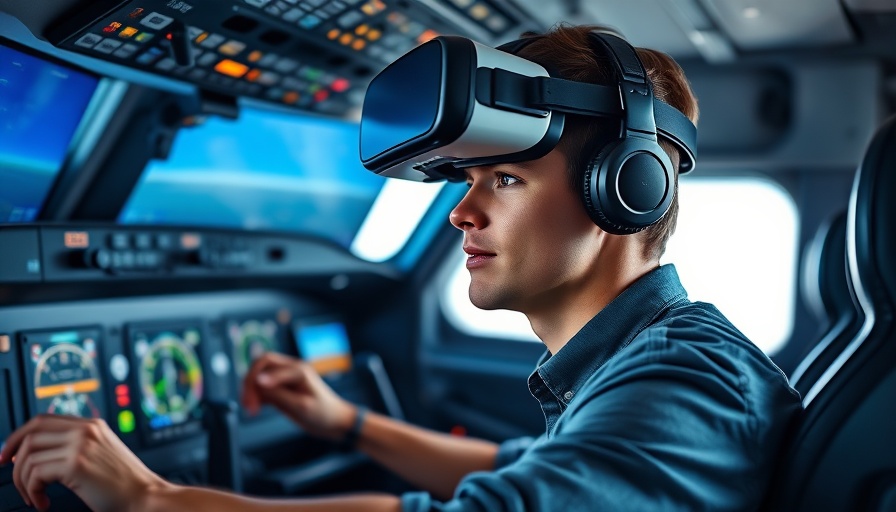
The Dawn of Mixed Reality in Pilot Training
The European Union Aviation Safety Agency (EASA) has made an unprecedented step in civil aviation training by certifying the XR-4 mixed reality (MR) headset, designed by Finnish startup Varjo. This innovative technology promises to change the way new pilots are taught, integrating digital environments into the real-world cockpit experience.
Revolutionizing Training With Mixed Reality
The XR-4 headset replaces traditional screens in flight simulators, allowing for immersive training that merges what the pilot sees with physical controls. This synergy makes trainees feel as if they are truly flying, providing a more realistic training scenario that mimics real-world conditions. Instructors can also monitor eye-tracking features to understand how trainees behave under stress, such as during critical situations like low-visibility landings.
Broader Implications for the Aviation Industry
EASA's approval marks the beginning of a new era for pilot training and beyond. With Lufthansa already incorporating this technology into their flight academy, the potential for MR to reshape not only pilot instruction but other sectors such as medical and engineering training is becoming evident. Similar efforts, like the simulation initiatives in the UK's National Health Service and Rolls-Royce’s maintenance training, indicate a burgeoning movement towards XR tools in practical education.
Challenges Ahead for Widespread XR Adoption
Despite the advancements, experts like James McQuivey from Forrester caution that the adoption of XR technology has been slow. High costs and the lack of compelling use cases have hampered broader implementation. Varjo maintains, however, that mixed reality isn't aiming to replace full-flight simulators but rather to enhance the earlier stages of pilot education profoundly.
Conclusion
The advent of EASA's approval of the XR-4 headset symbolizes a promising leap in the aviation sector's educational practices. As industries increasingly look towards XR technologies for training solutions, we must navigate the challenges that accompany such innovative transformations. Investing in MR technology today may very well prepare the aviation workforce for the complexities of tomorrow


Write A Comment